



Greener Closet

Underwear

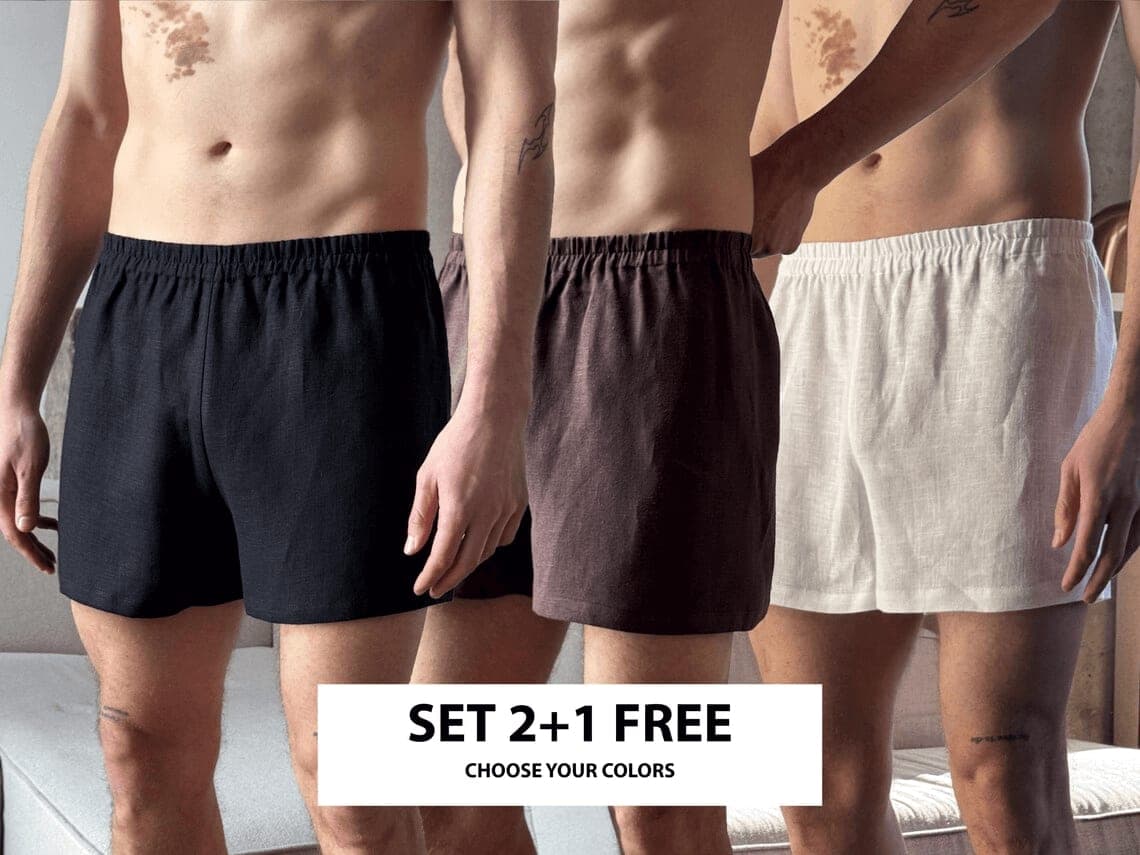
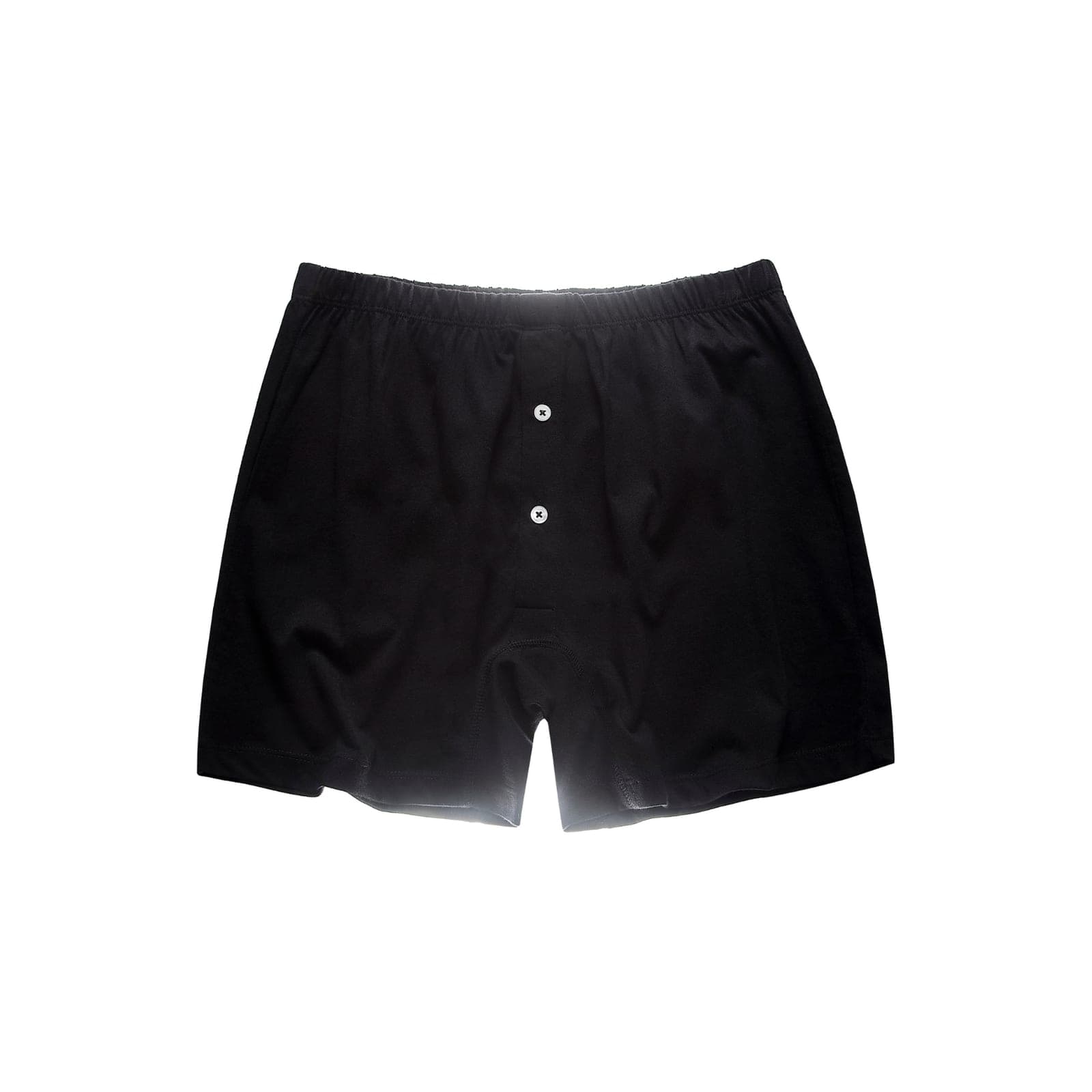
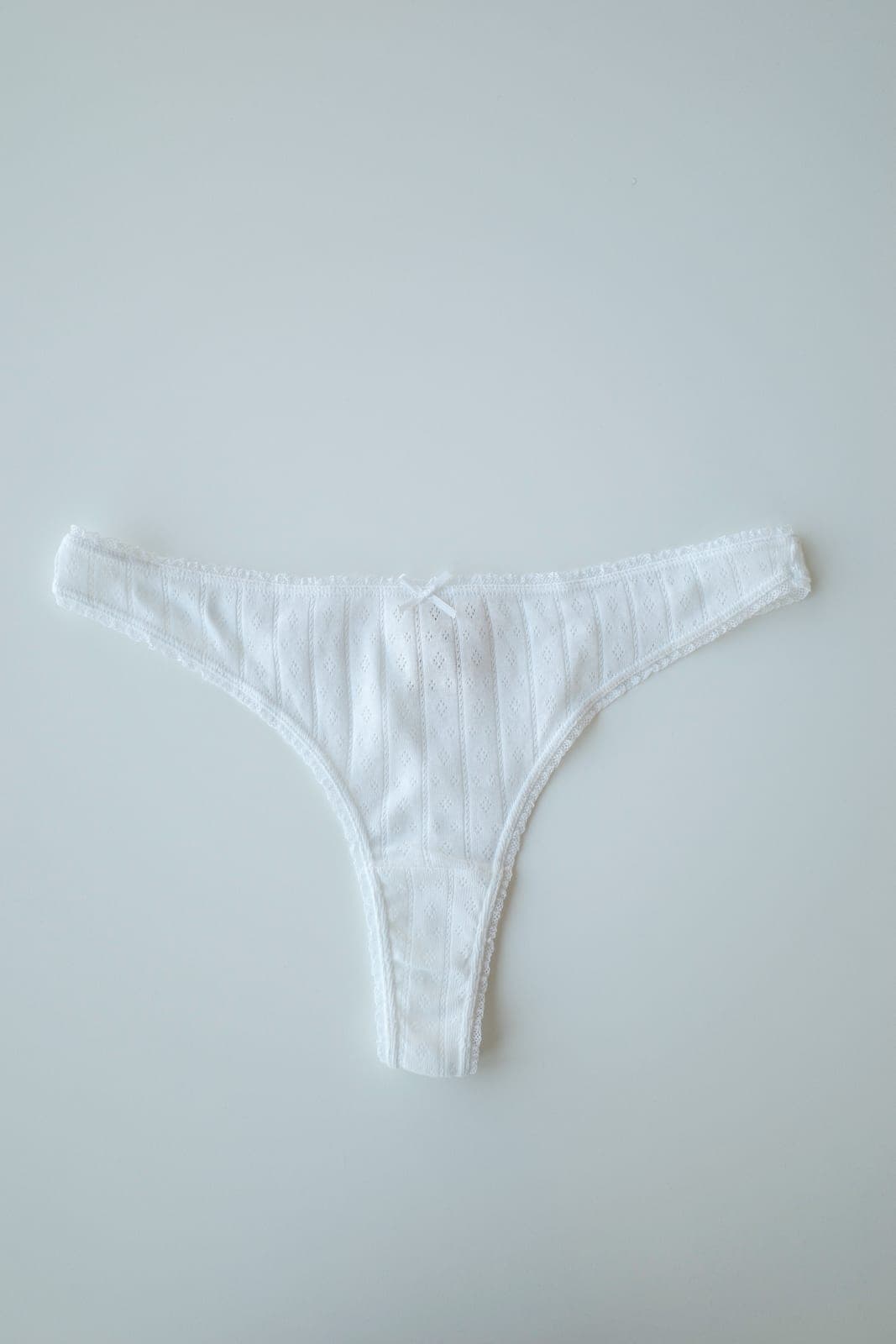
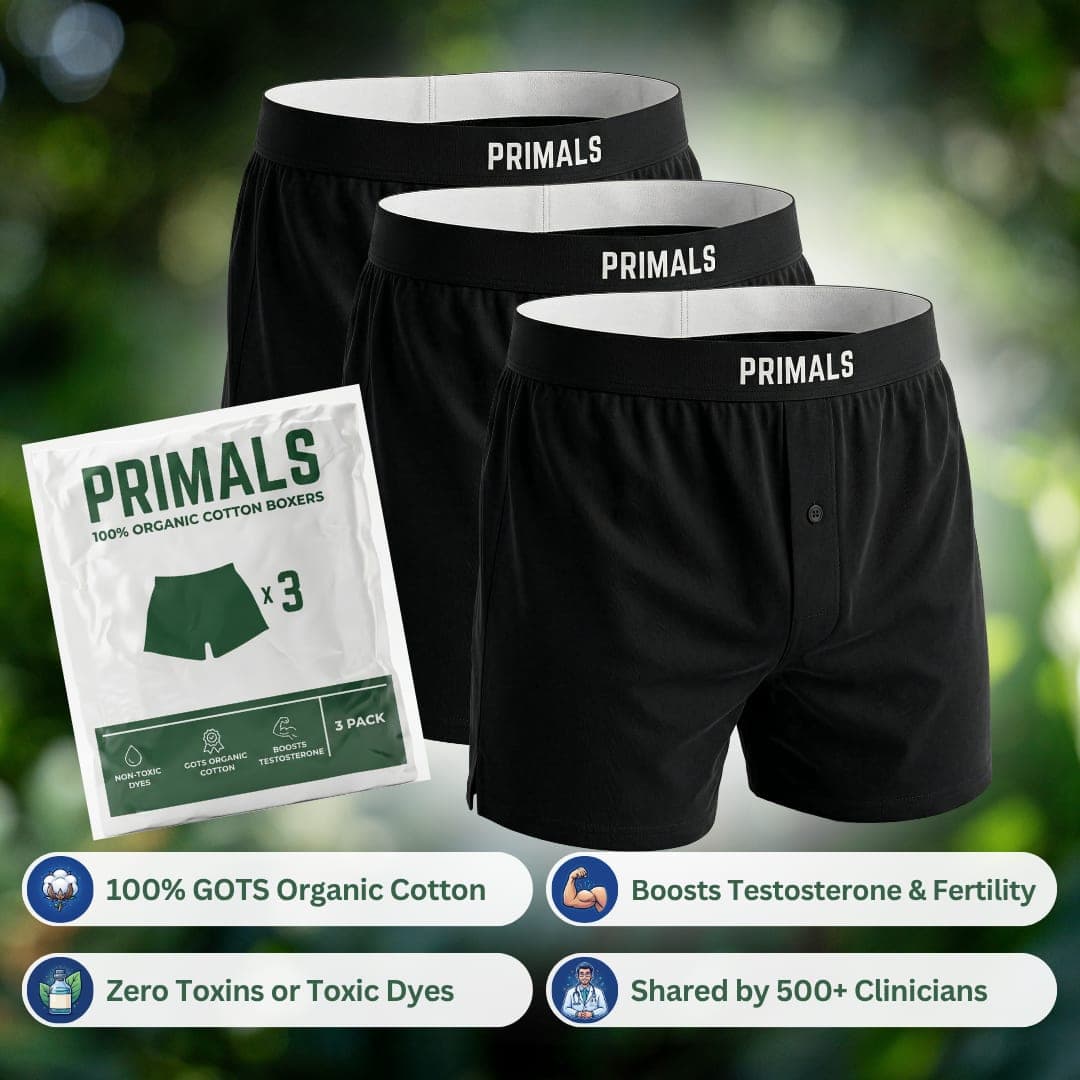
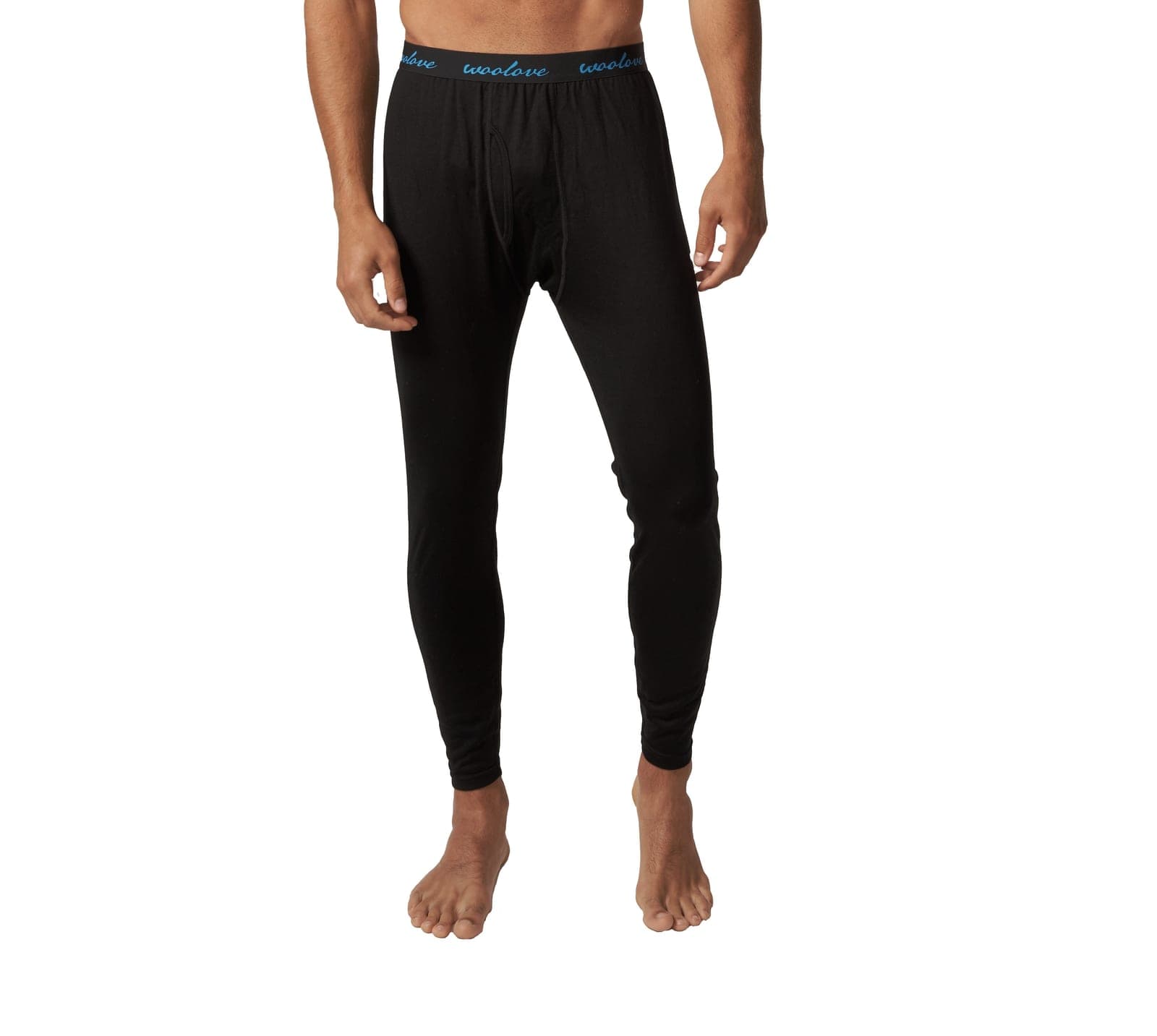
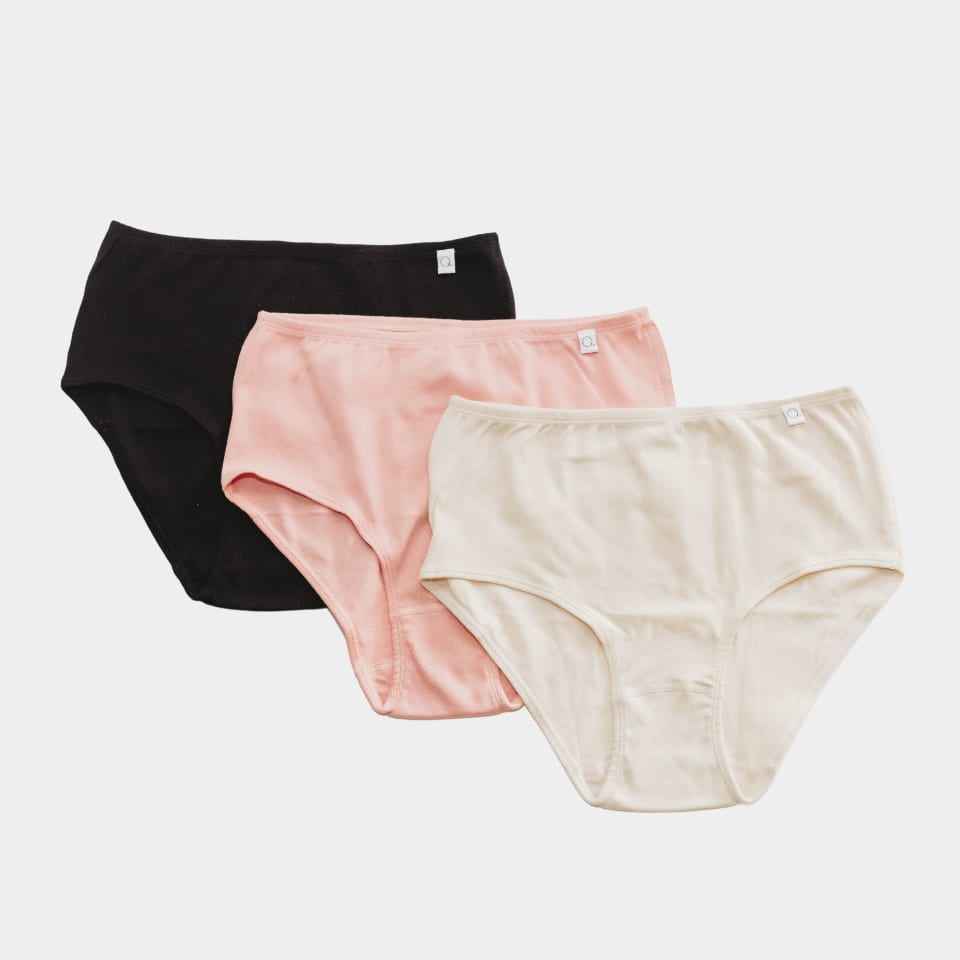
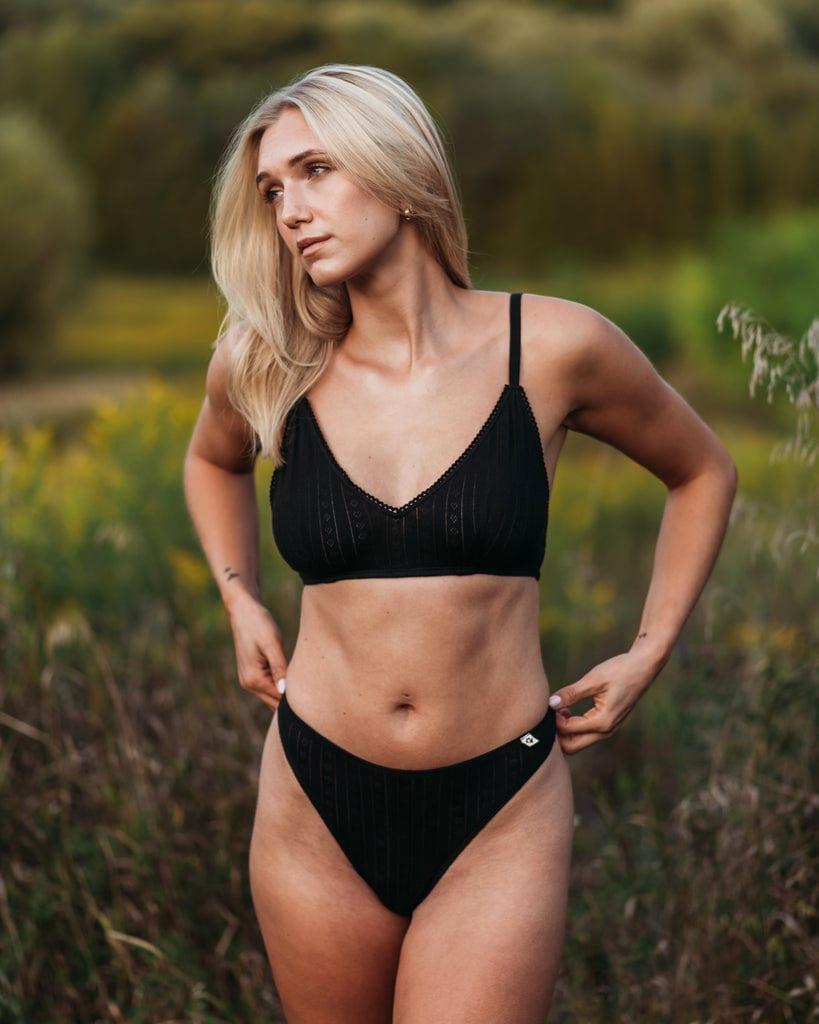
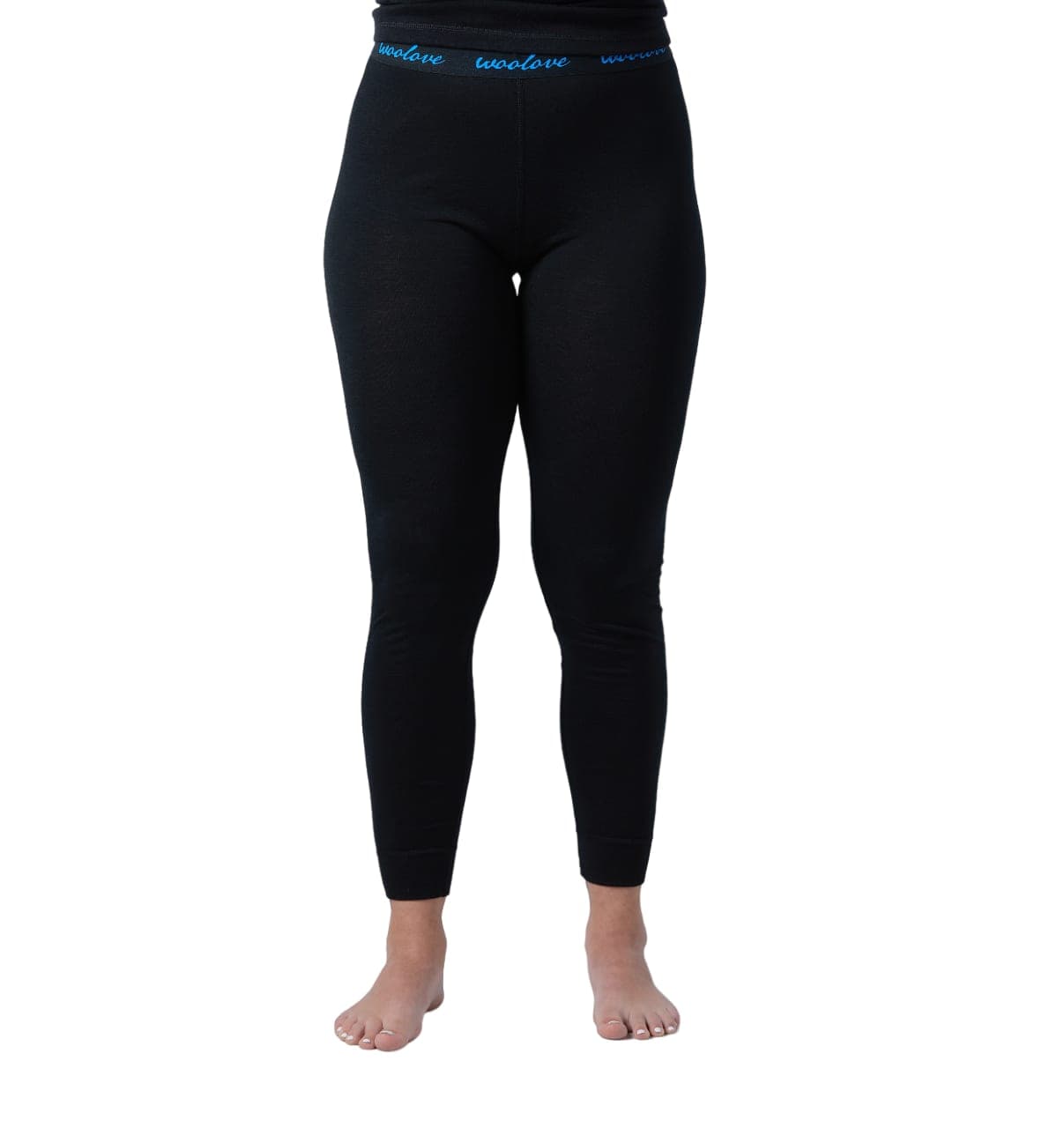
Scored underwear, ranked by disclosed materials

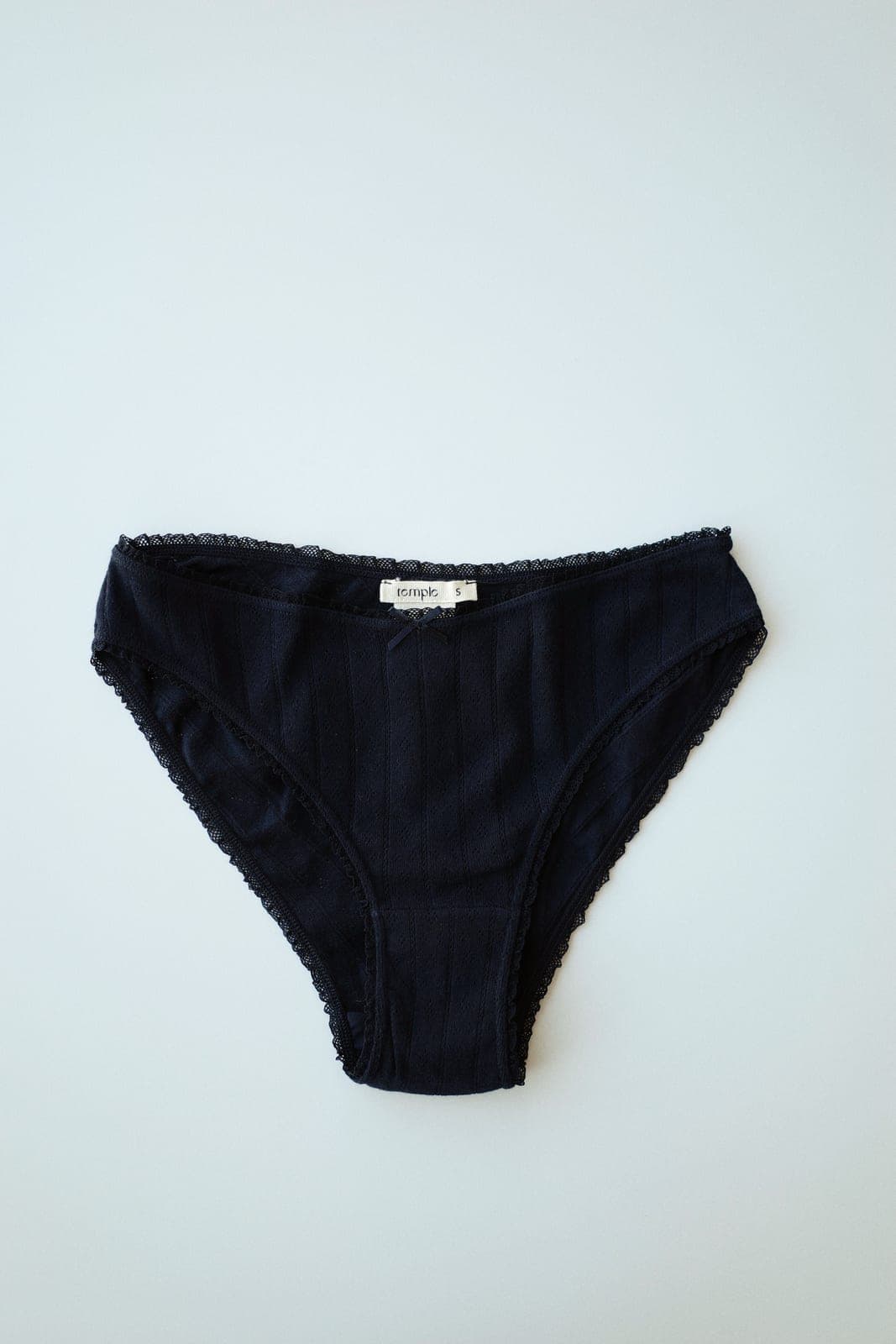
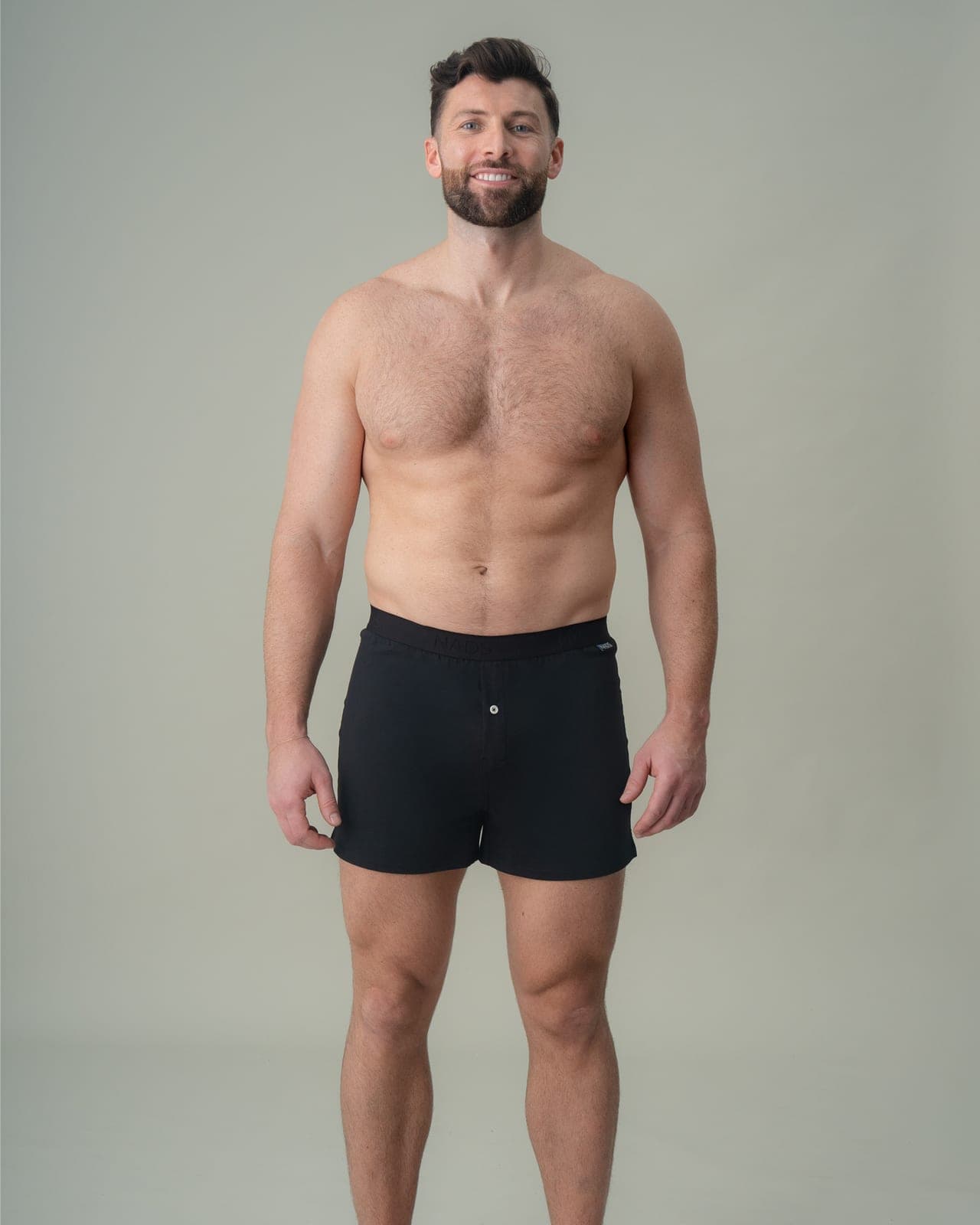
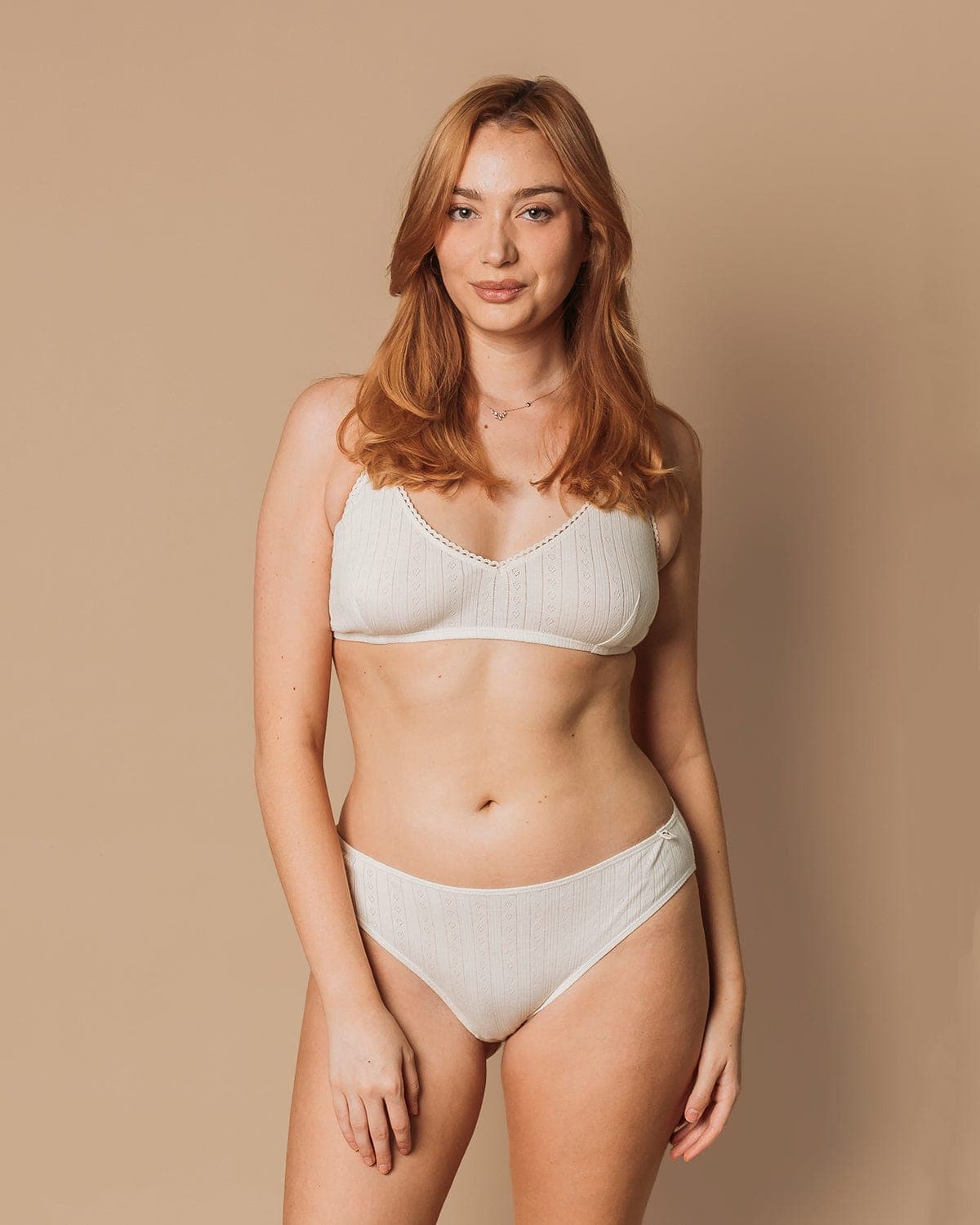
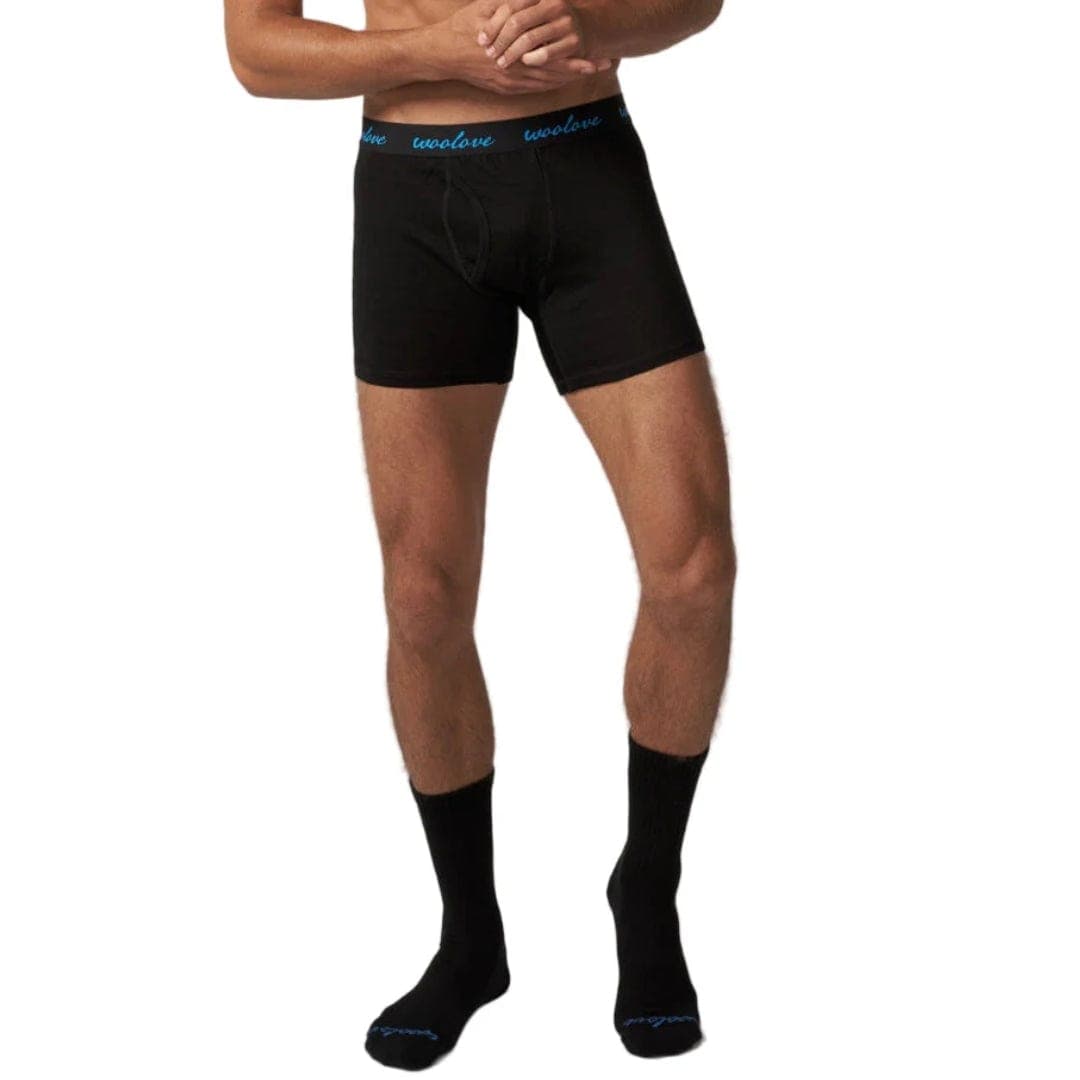
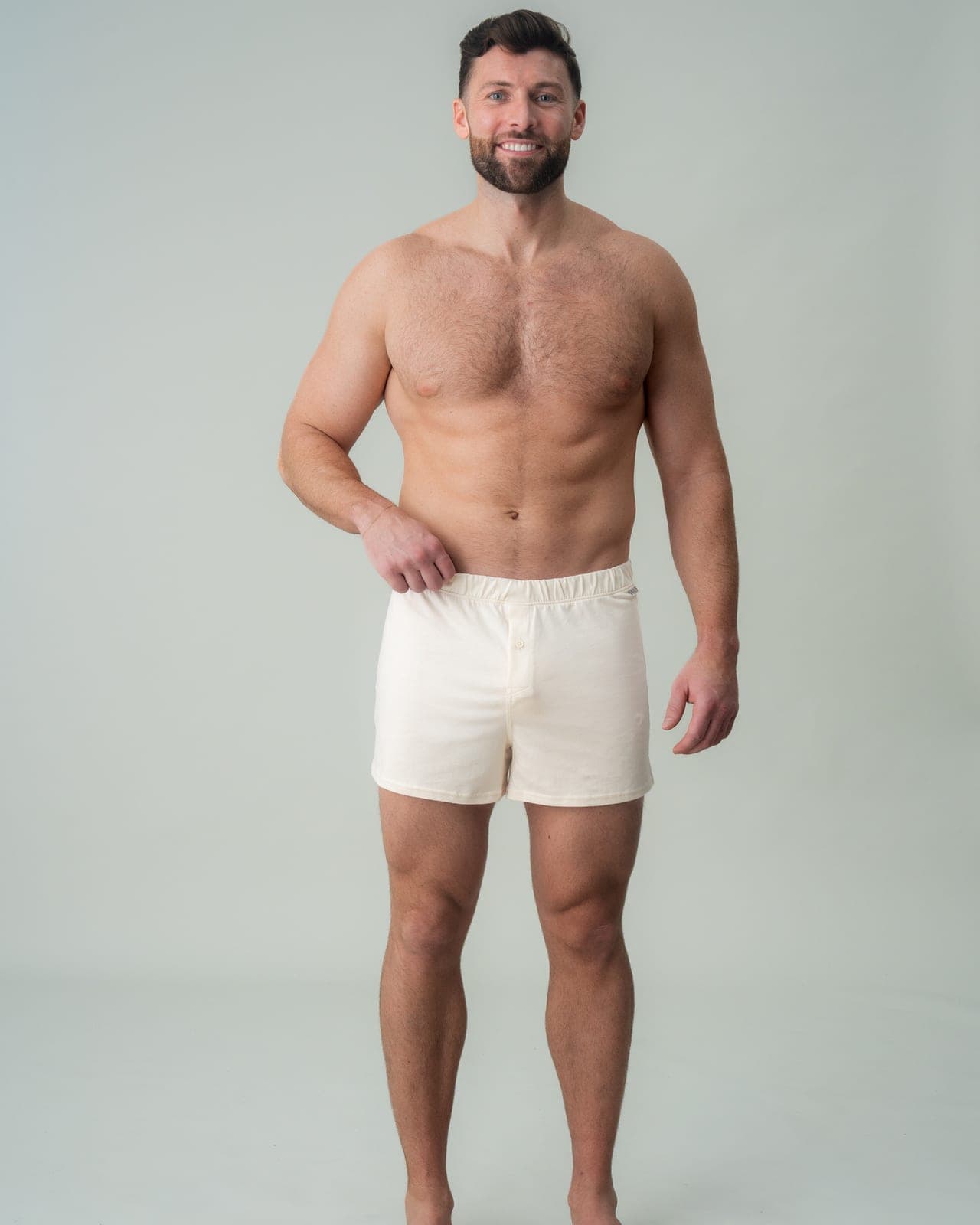
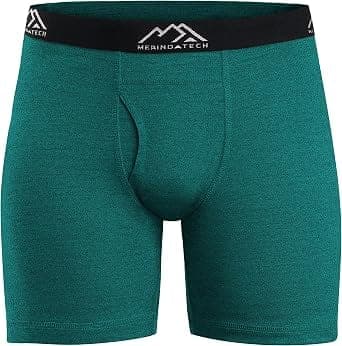
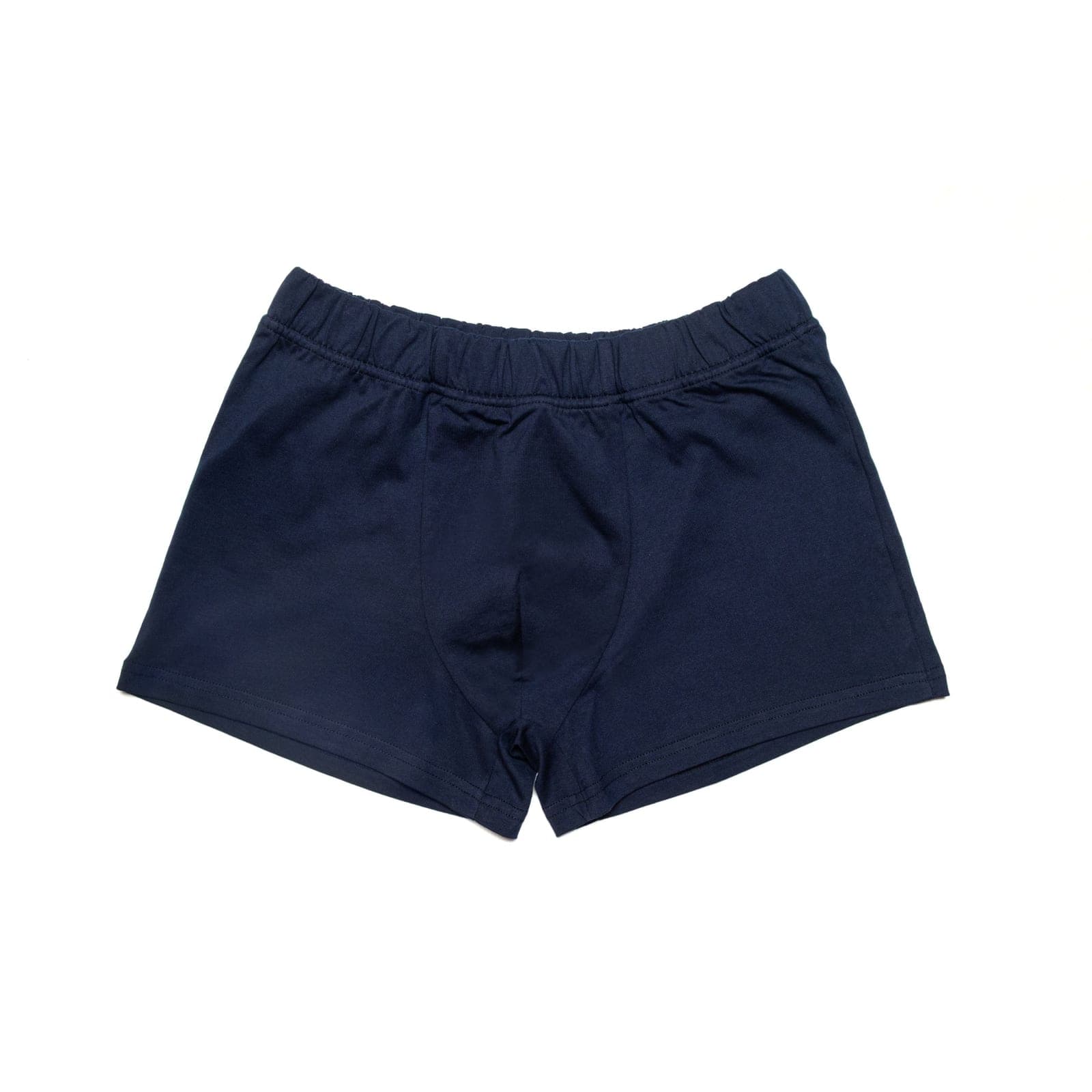
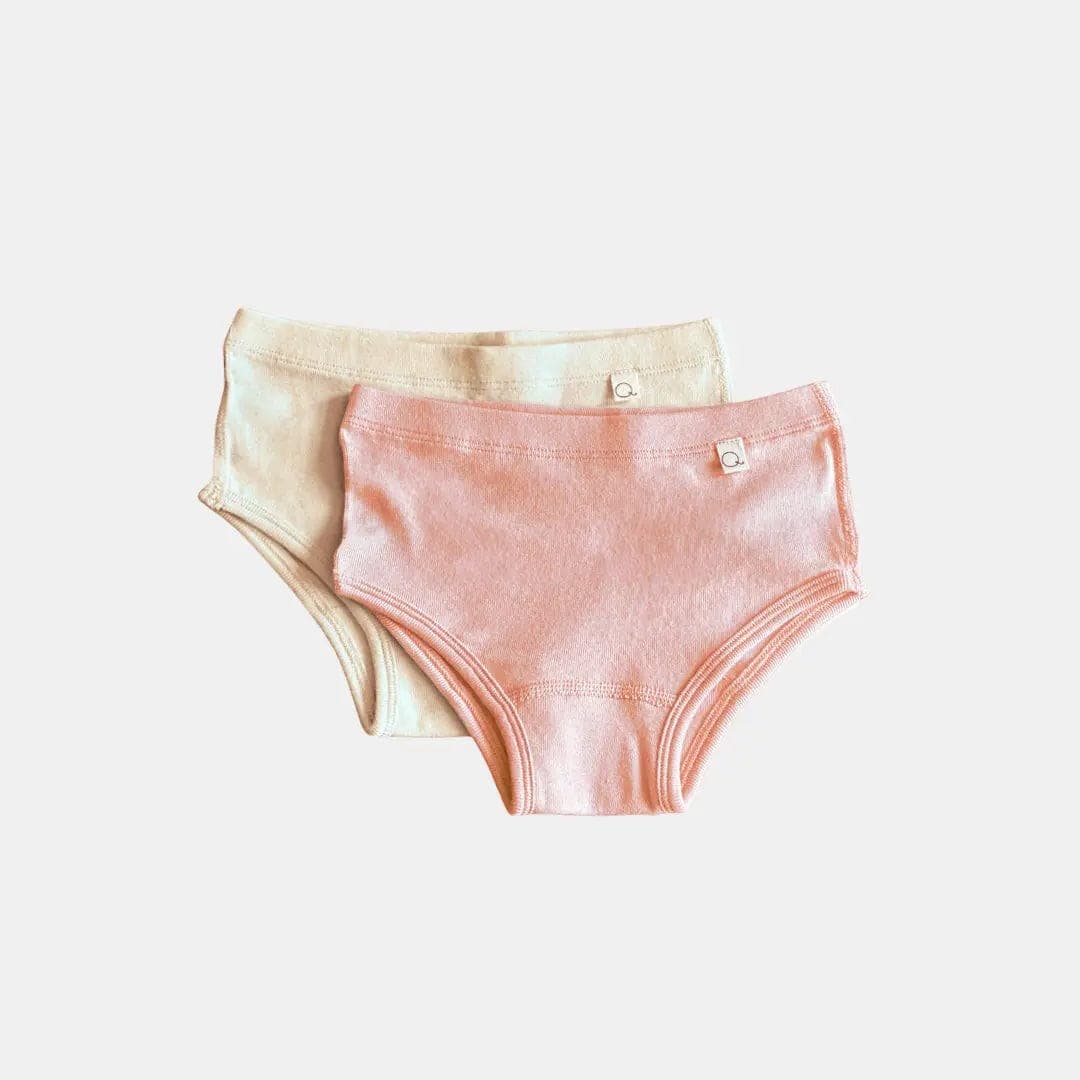
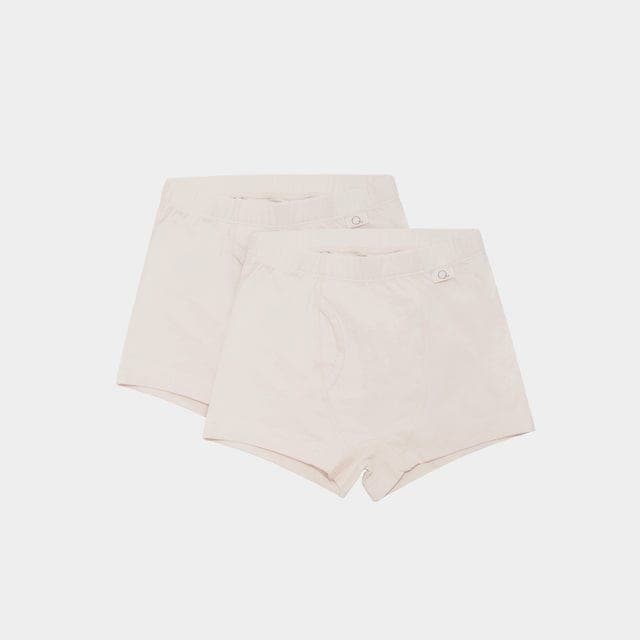
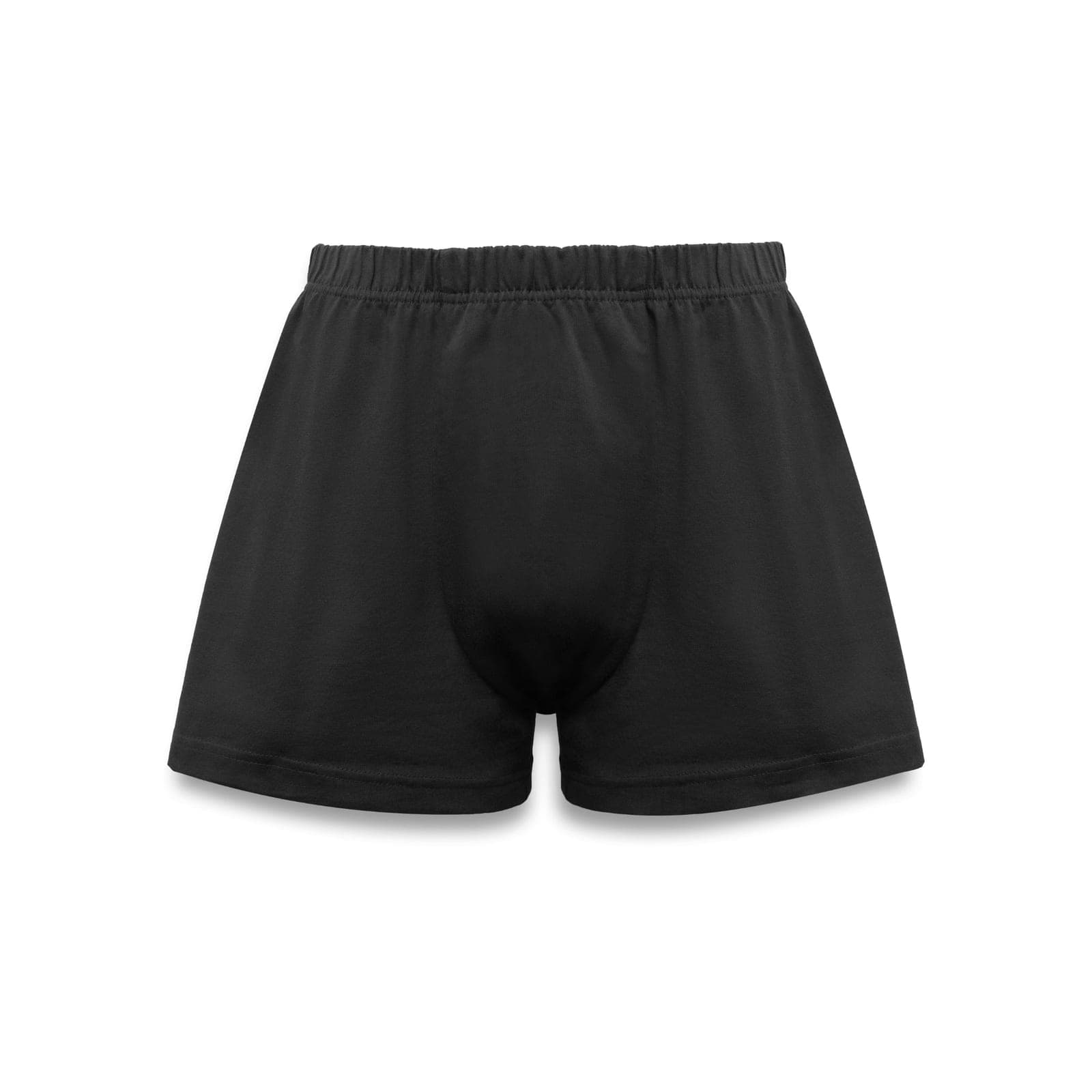
Underwear has all-day skin contact, which is why people look for non-toxic options. This page ranks the pieces we have scored from the fiber label. Kids and adult items can both appear; use the department chip on each card.

A high score compares disclosed fibers. It is not a promise about dyes, antimicrobial finishes, or skin conditions.

Highest-scoring underwear we have analyzed

230 visible scored products match this category.

View all top-scored products

What to check on an underwear label

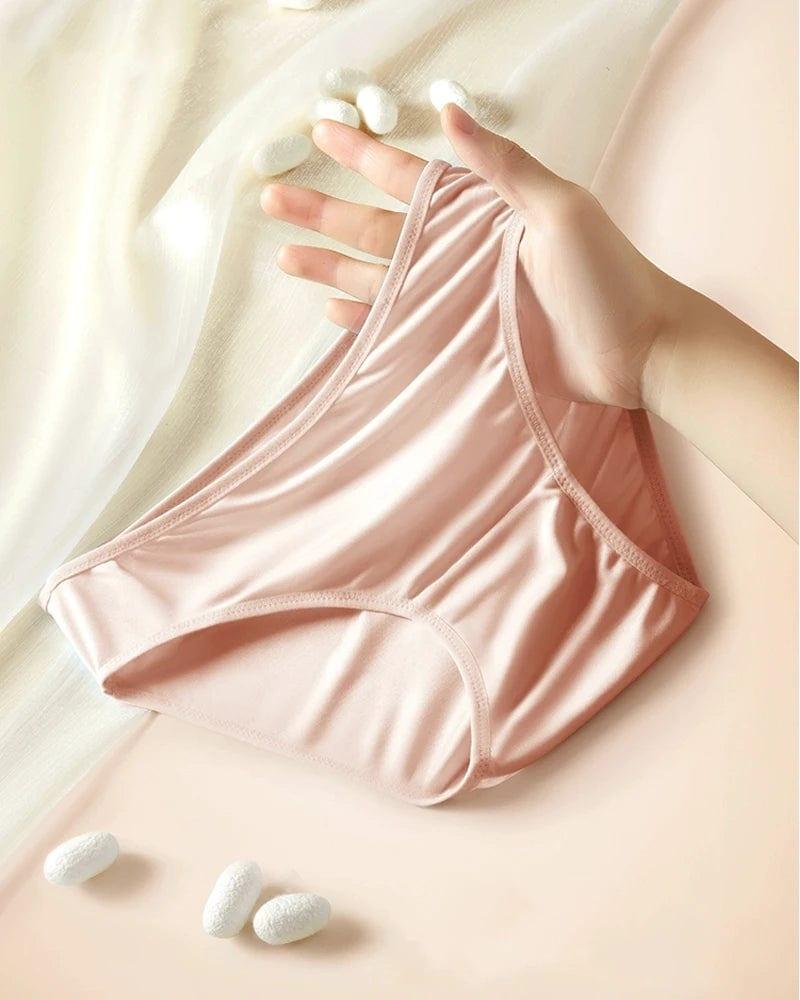
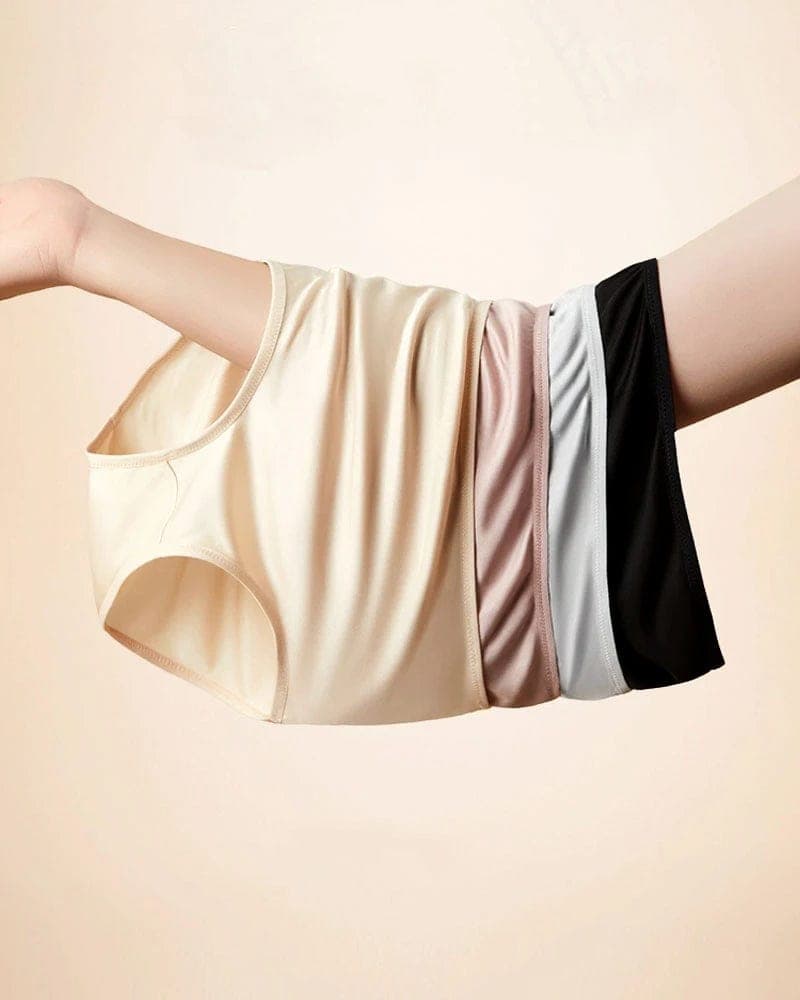
  1. Majority organic cotton, modal, Tencel, hemp, or silk usually scores better than polyester or nylon briefs.
  2. Elastane in a small amount is how most pairs keep shape. A polyester-elastane performance brief is a different product from a cotton pair with 5% spandex.
  3. Stain-resistant, odor-control, or moisture-wicking claims are finish language. Unless the listing names the chemistry for this product, treat that status as unknown.

Shopping for a specific brand?

See how popular underwear brands stack up and find higher-scoring picks.

Have a specific item in mind?

Paste the product URL into the analyzer or paste the fabric label into the homepage checker. Both work without an account.

Underwear questions

Is this underwear safer for sensitive skin?

We do not make that claim. Scores compare disclosed fiber blends and available certifications. They are not a recommendation for allergies, dermatitis, or chemical sensitivity. If you have a medical question, that is a clinician’s job, not a product ranking.

Which underwear fibers usually rank higher?

Organic cotton, modal, Tencel, hemp, and silk usually score better than polyester or nylon on shedding and biodegradability. Modal and Tencel are wood-pulp fibers, not plant fibers in the cotton sense. Silk is an animal fiber. Read the percentage label rather than the product name.

How do you score underwear?

Each product starts at 100 and is scored from its disclosed material composition and available certification information. Material-level penalties across six factors are combined in proportion to the stated fiber blend. The score compares available evidence. It is not a medical or product-safety certification. The methodology page has the details.