
Analyzed Product Profile
lululemon
This Analyzed Product Profile is based on 132 distinct analyzed products in the Greener Closet catalogue. 134 catalogue rows collapse to this distinct-product count. Median, range, and material mix are computed from those products' disclosed composition. They are not a corporate sustainability score.
Highest-scoring analyzed products
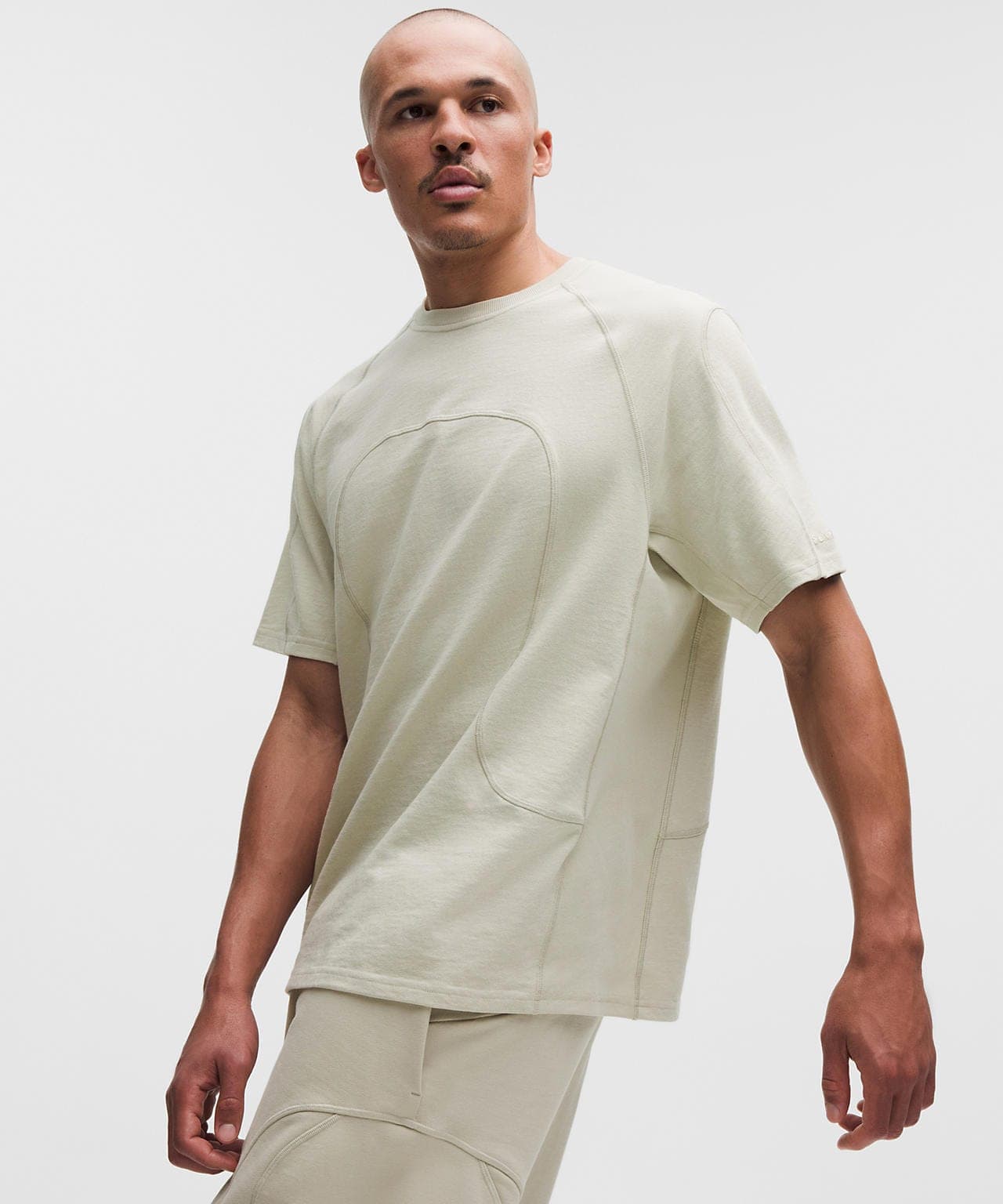
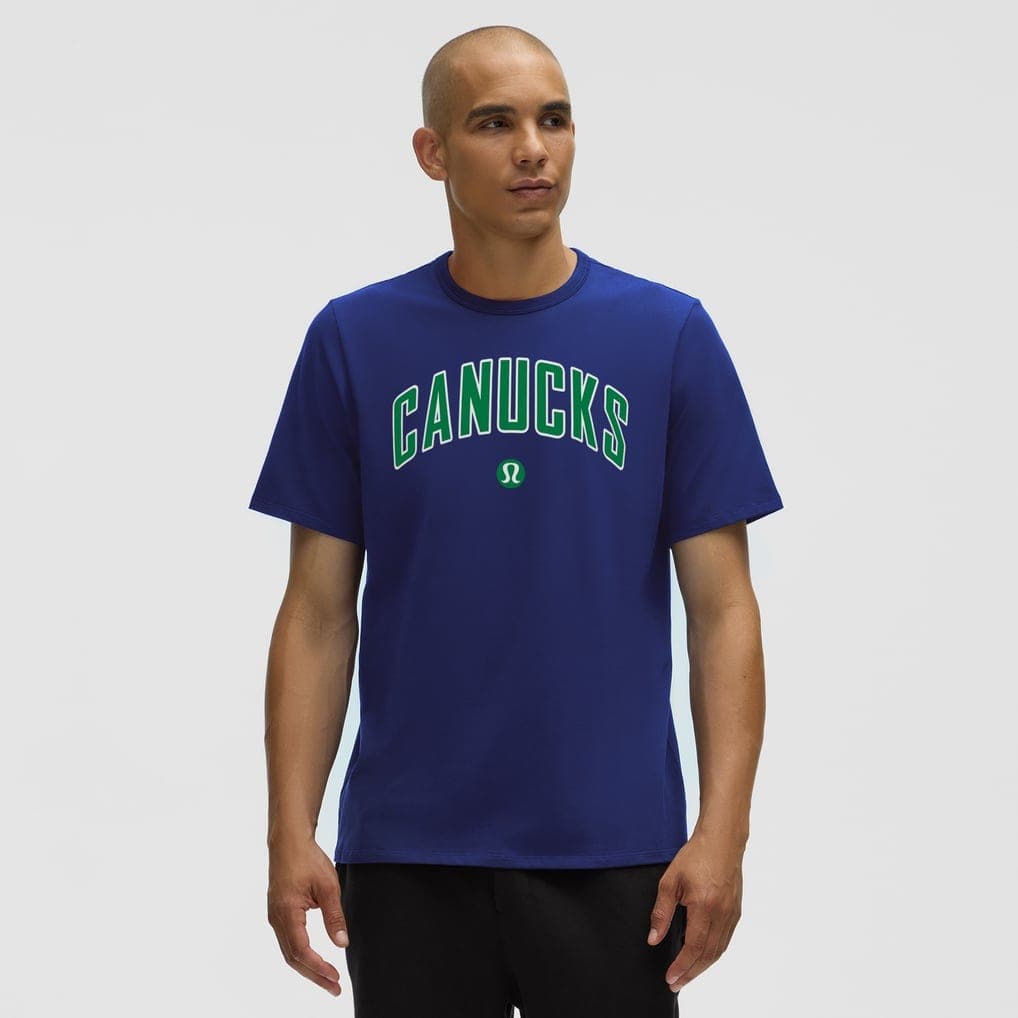
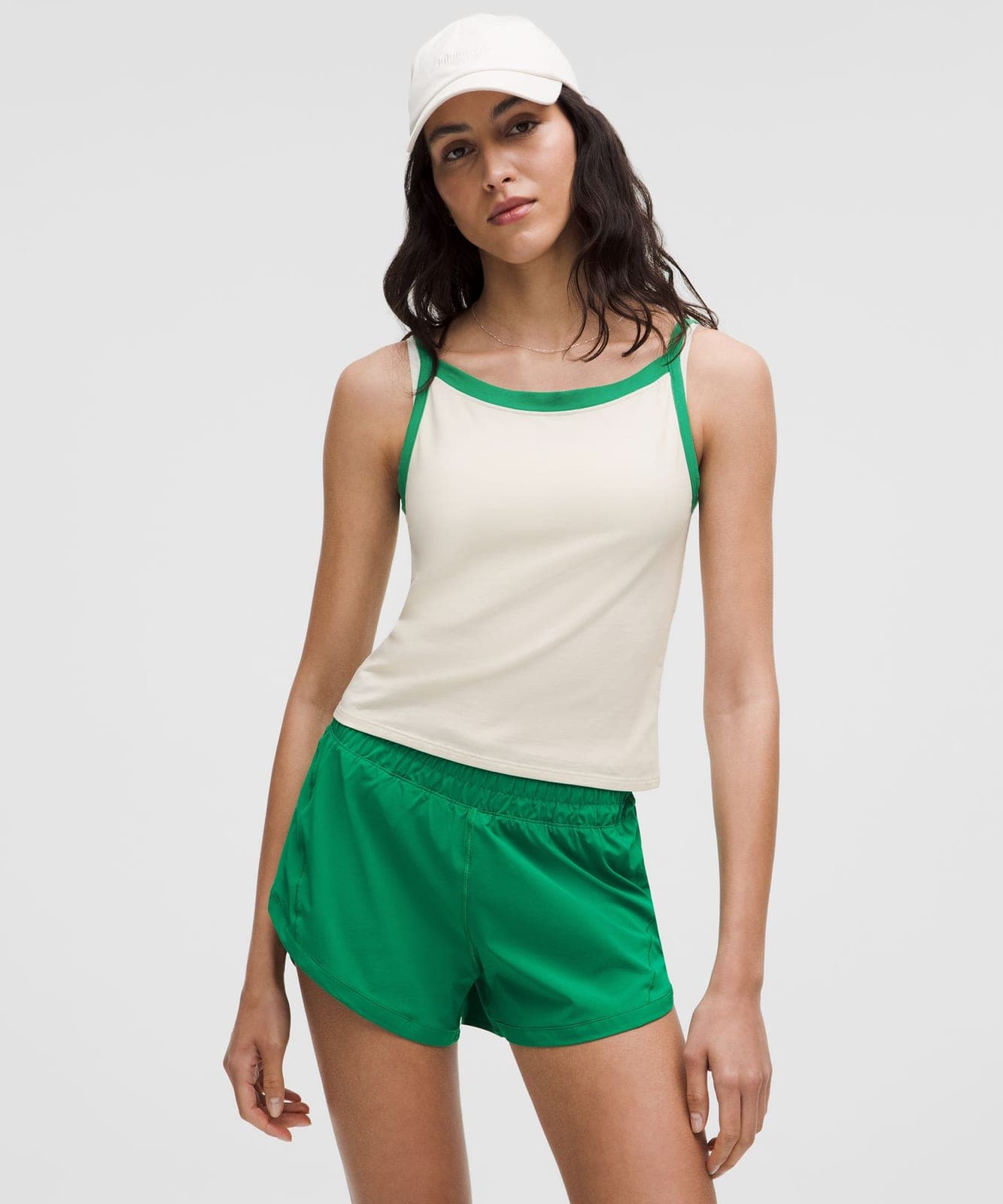
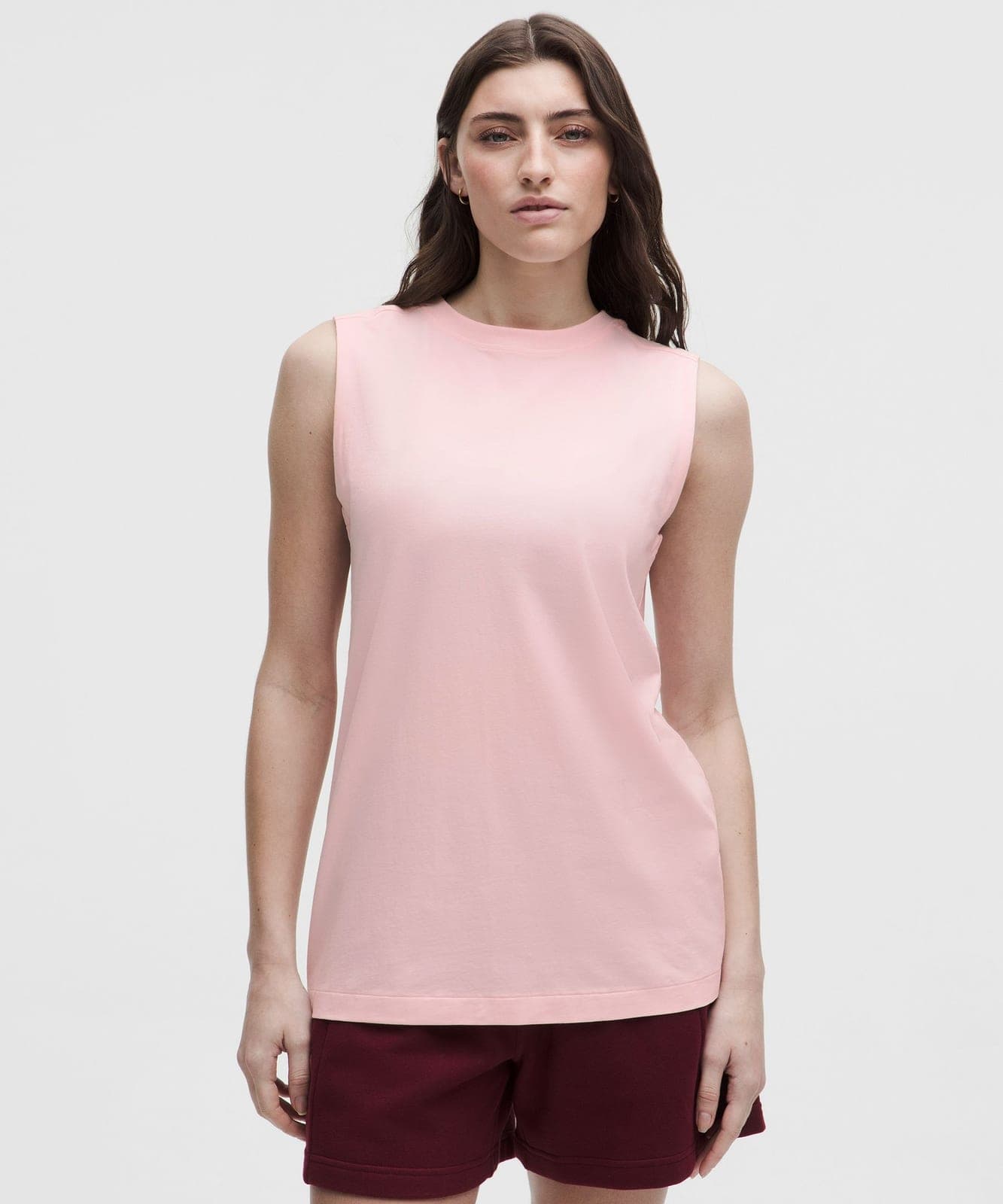
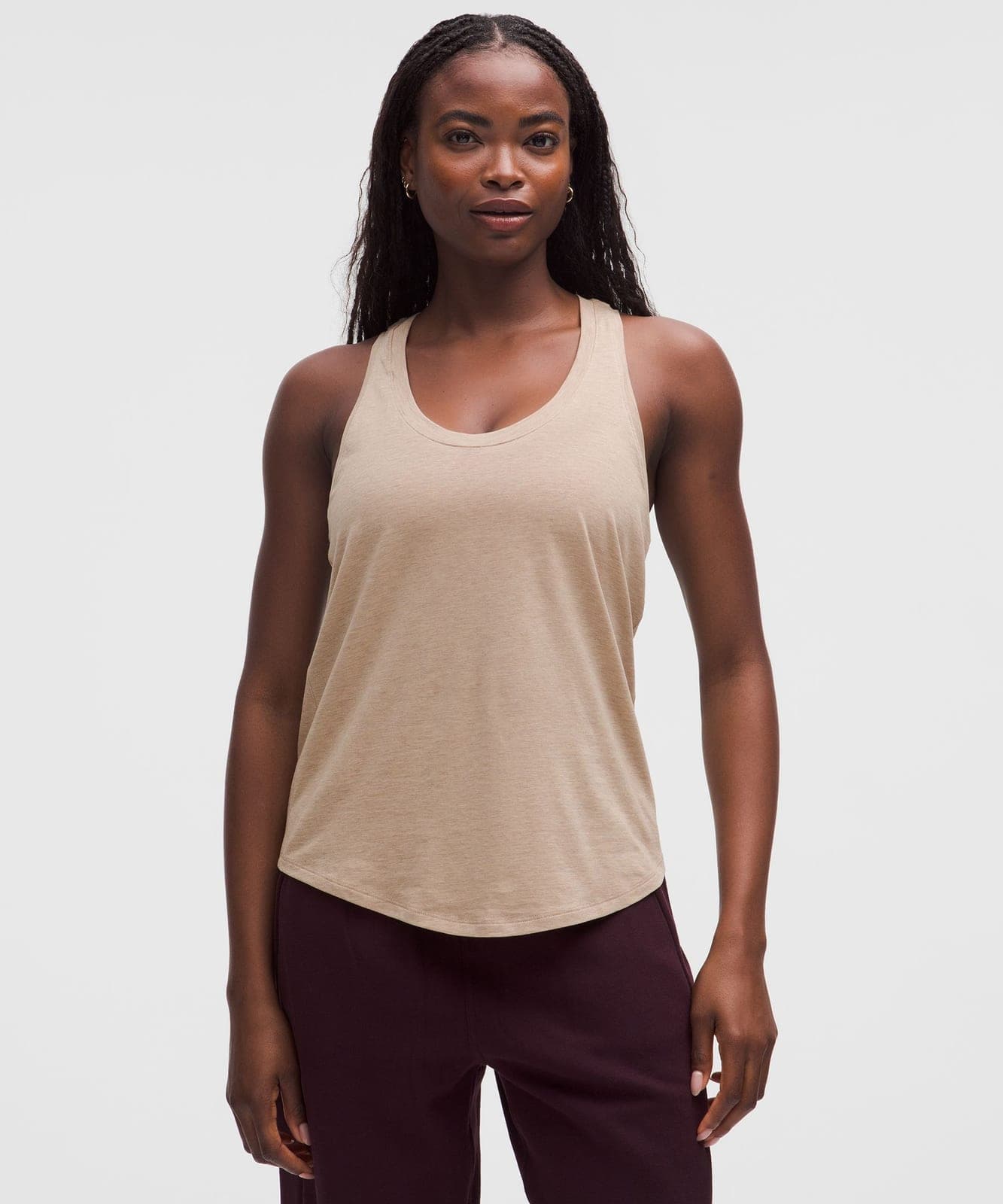
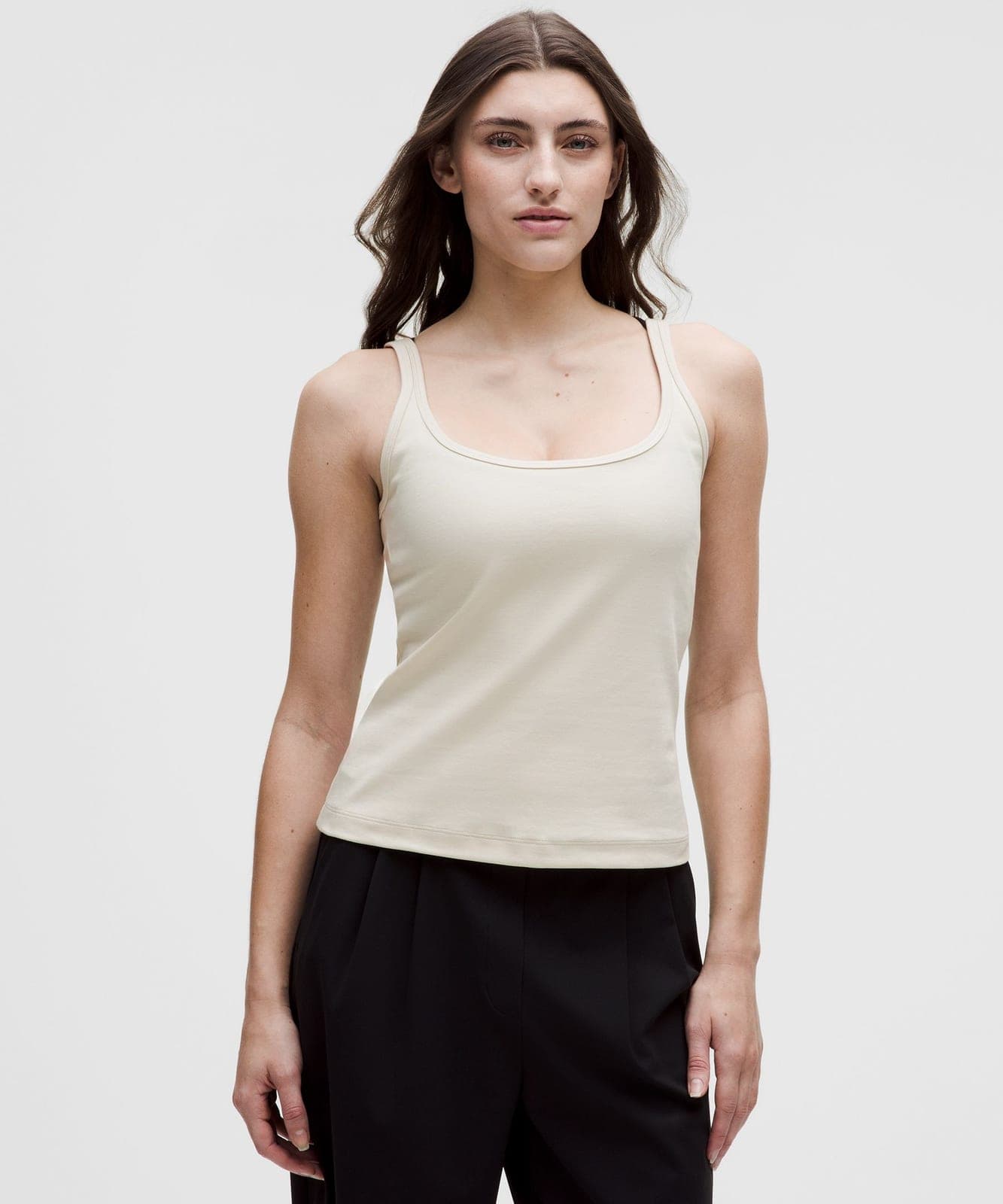
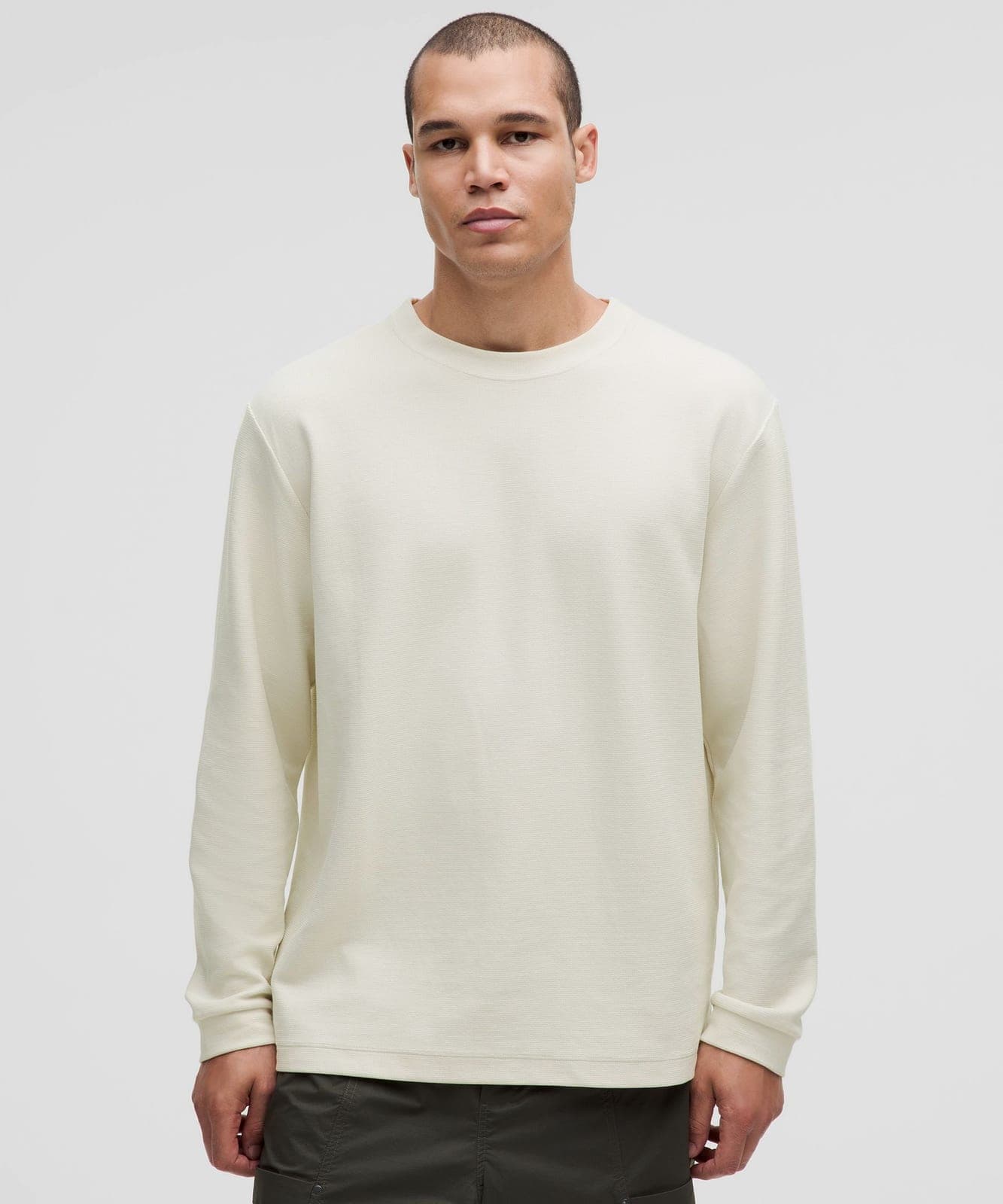
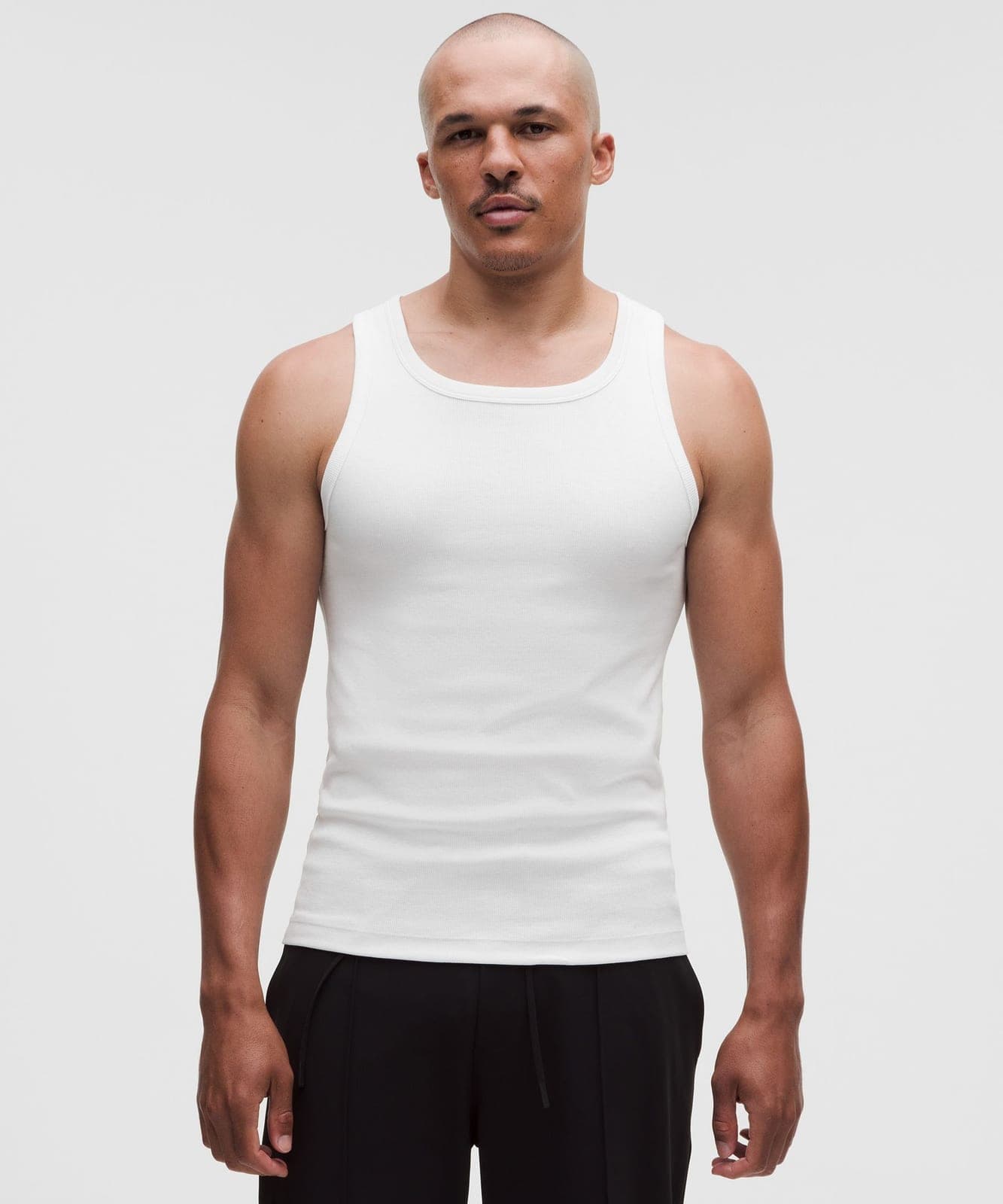
Sample and scores
134 catalogue rows collapse to 132 distinct products: 2 duplicate rows folded into a product already counted.
Most common materials
Counted by distinct product, not fiber percentage. One product can appear in several rows.
| Material | Products |
|---|---|
| Nylon | 76 |
| Elastane | 65 |
| Lycra | 48 |
| Recycled Polyester | 43 |
| Polyester | 12 |
| Cotton | 9 |
Category mix
| Category | Products |
|---|---|
| Tanks | 39 |
| Activewear | 27 |
| Shorts | 27 |
| Coats and Jackets | 25 |
| Sweatshirts | 22 |
| Leggings | 18 |
How these scores are produced
Product scores on this page are produced automatically. We read the composition and certification details a retailer discloses on the product page, match each material to our research database, and apply the published clothing-score process: every product starts at 100; five material factors — microplastics, PFAS, material half-life, production energy, and fiber shedding — apply penalties weighted by how much of the garment that material makes up; a sixth factor, azo dyes, applies to the garment as a whole; and a small adjustment reflects whether any certification was disclosed. GOTS, bluesign, OEKO-TEX Standard 100, and Cradle to Cradle can also mark a product azo-dye-free. We do not lab-test garments. The Analyzed Product Profile then summarizes those product scores. It is not a corporate sustainability score, and it is not the retired LLM brand assessment.
Are you this brand?
If a figure on this page is wrong, send a correction. We aim to respond within 24 hours. A review can temporarily hide a disputed claim; it is not an automatic permanent removal.
Sourced corporate evidence
These are sourced claims, not a corporate score. Missing topics are not assessed, not scored as zero.
lululemon states that its 2030 Scope 1, 2, and 3 climate targets were validated by the Science Based Targets initiative in 2020 and re-validated in 2024, alongside a 2050 net-zero target.
company_disclosure
lululemon states that it is working toward 50% renewable electricity collectively among its core Tier 1 and Tier 2 suppliers by the end of 2030.
company_disclosure
lululemon states that it does not own manufacturing facilities and contracts with suppliers that produce for multiple brands.
company_disclosure
lululemon reported that it nearly doubled the percentage of products procured with at least 25% preferred materials by weight between 2020 and 2024 and achieved its recycled polyester target ahead of schedule.
company_disclosure
lululemon states that it continues to focus on understanding the water footprint of its products across the supply chain and engages suppliers to improve water-data reliability and support improvements.
company_disclosure
lululemon states that it does not use animal-based leather in its products.
company_disclosure
lululemon states that its Responsible Supply Chain program is based on the OECD Due Diligence Guidance for Responsible Business Conduct and includes monitoring, integration of responsible purchasing practices, and collaboration with stakeholders, suppliers, and brands.
company_disclosure
lululemon states that, in 2023, it worked with 49 Tier 1 suppliers manufacturing its products and 67 strategic Tier 2 suppliers providing product fabrics, and that it publishes lists of Tier 1, strategic Tier 2, and key Tier 1 subcontractor facilities.
company_disclosure
lululemon states that all vendors are required to conduct regular testing for restricted substances, including PFAS, through credible third-party agencies, and that lululemon does not use PFAS in products today.
company_disclosure
lululemon states that it does not use PFAS in products today, that PFAS were historically used in some of its durable water repellent products, and that it requires all vendors to regularly test for restricted substances, including PFAS, through credible third-party agencies.
company_disclosure
Published 2026-04-16
lululemon's Restricted Substances List (version 11.0, October 2026) limits all PFAS in raw materials and finished products to 50 ppm, measured as total organic fluorine.
company_disclosure
lululemon told KBTX in April 2026 that it phased out PFAS in fiscal 2023 and that they had been used in durable water repellent products, which it described as a small percentage of its assortment.
journalism
Published 2026-04-13
In an Assurance of Voluntary Compliance filed in October 2026, the Texas Attorney General said that after reviewing documents lululemon provided, it did not identify PFAS in lululemon products or materials. lululemon denied any violation of law and agreed to keep requiring vendors to prove compliance with its restricted substances list for three years.
regulator
Published 2026-10-19
- Not assessed — Animal welfare broadly
- Not assessed — Quantified water reduction or water-use performance