


Greener Closet

Leggings

Scored leggings, ranked by disclosed materials

People search for non-toxic leggings because the fabric sits against skin for hours and performance finishes are common. This page ranks the pairs we have already scored from the fiber label. It is a catalog comparison, not a certificate that any pair is PFAS-free.

Most leggings in stores are polyester or nylon with elastane for stretch. A small elastane percentage is different from a pant that is 90% synthetic. Water- and stain-repellent marketing is a finish question the fiber line cannot answer.

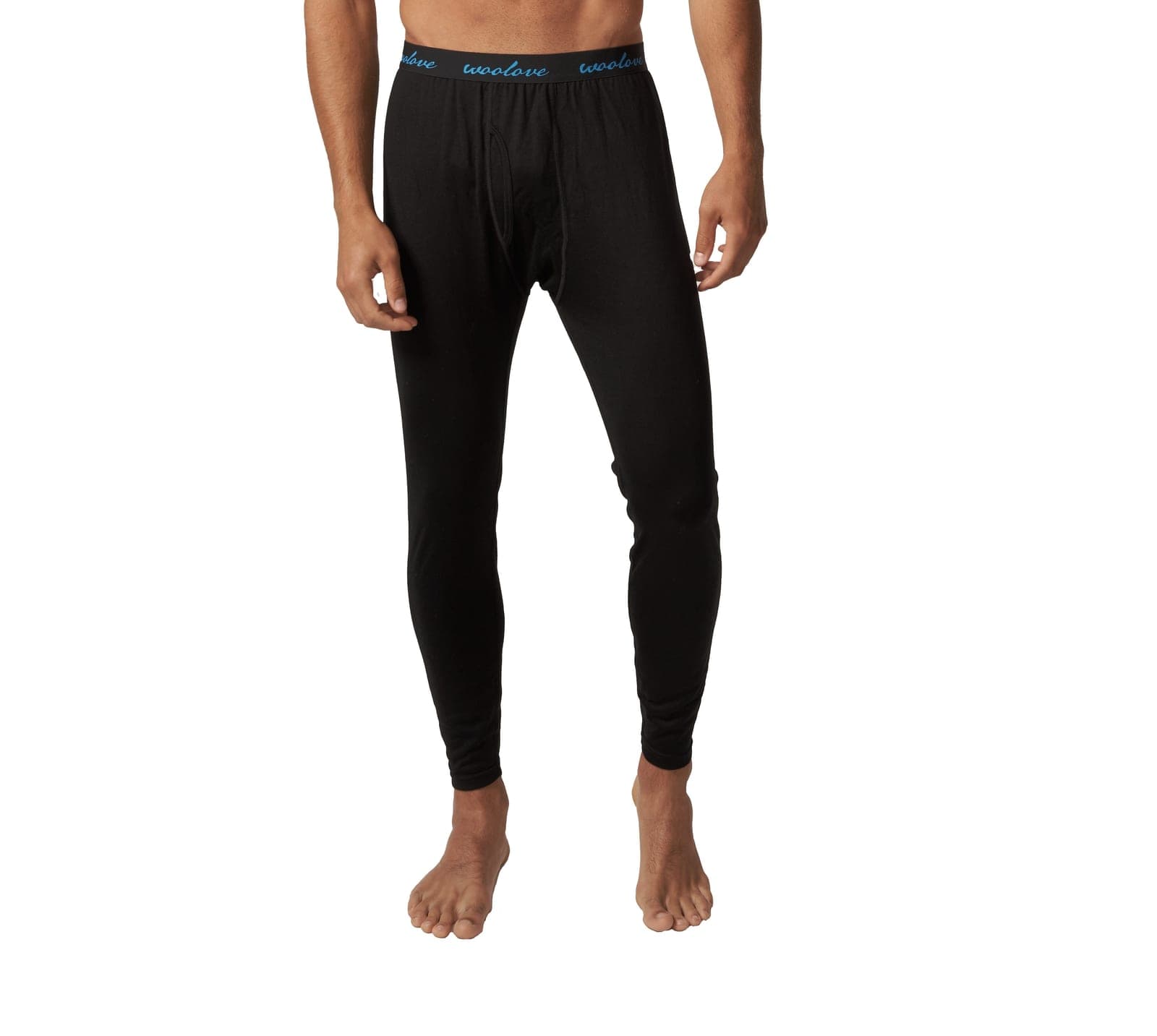
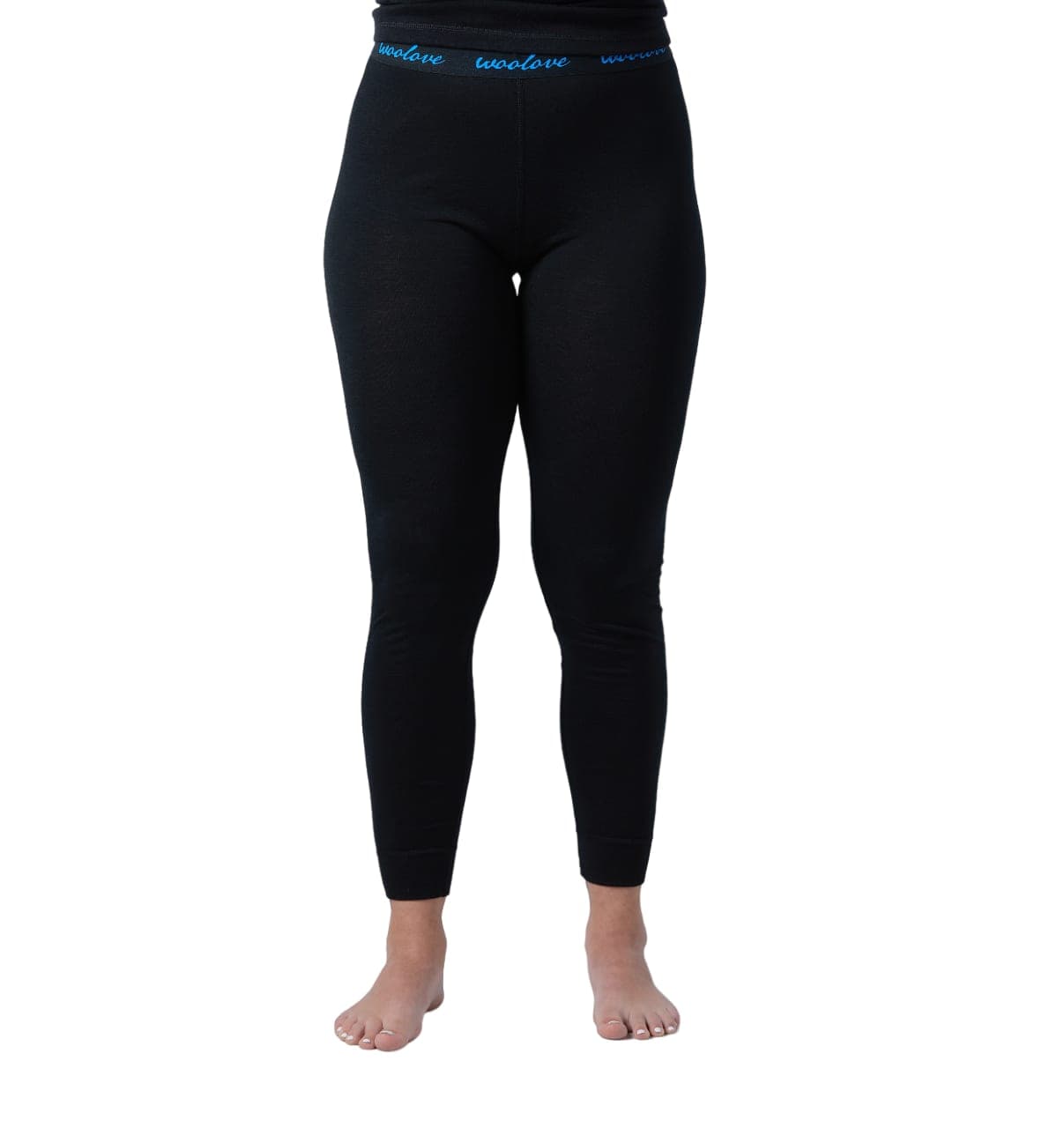
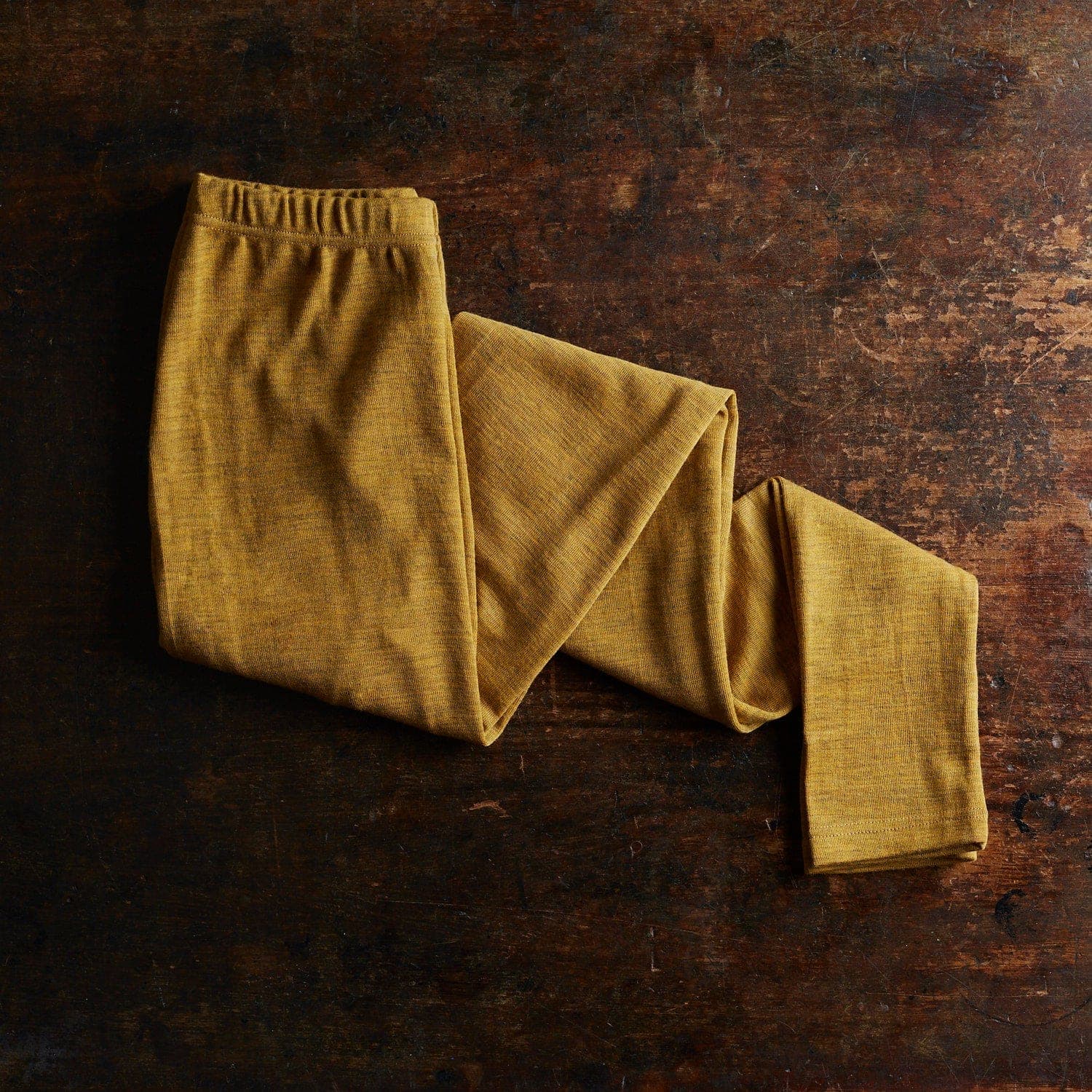
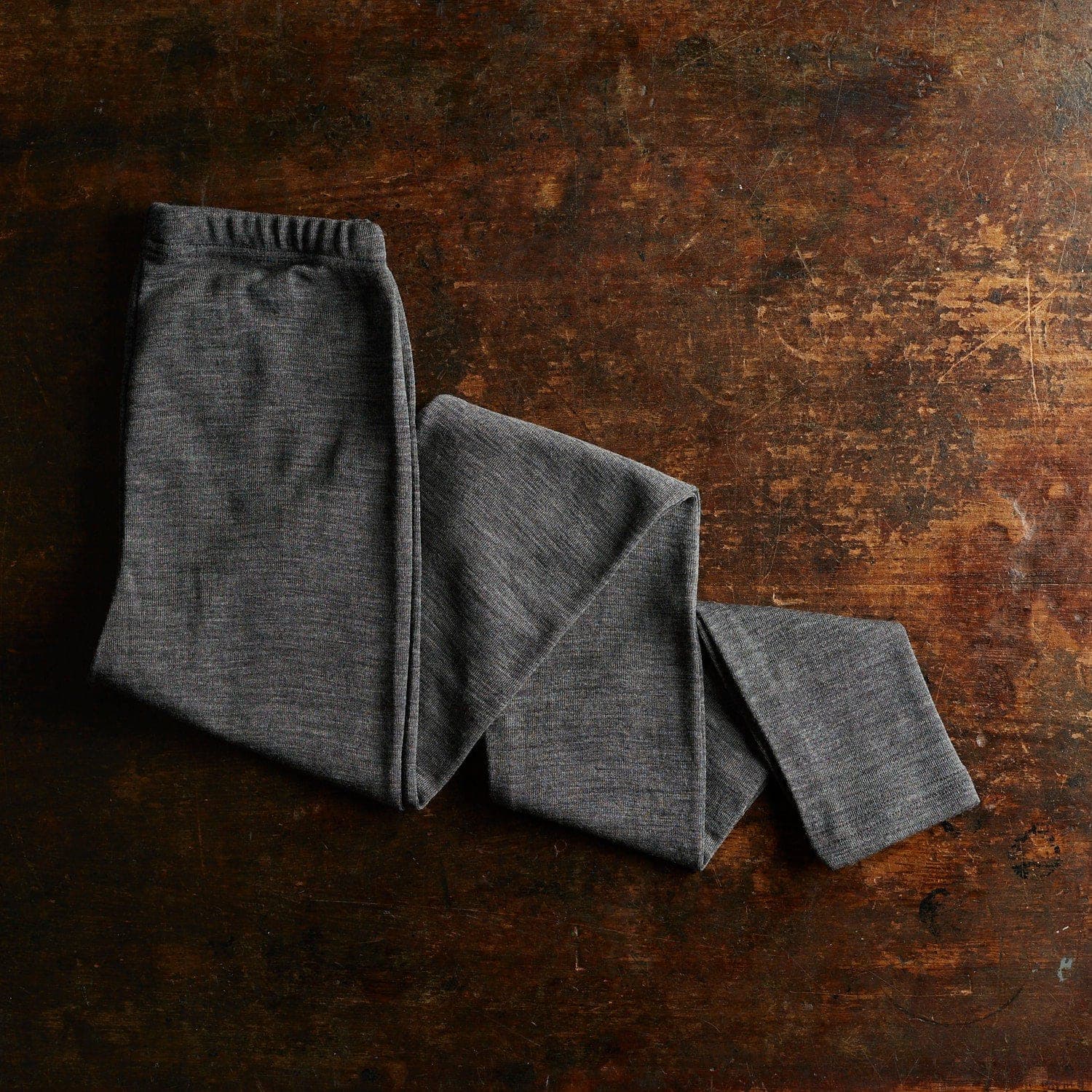
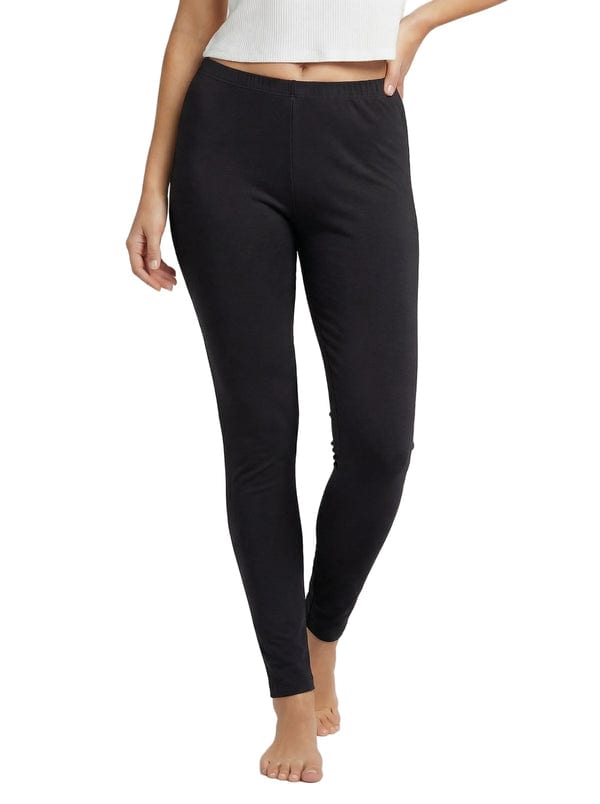
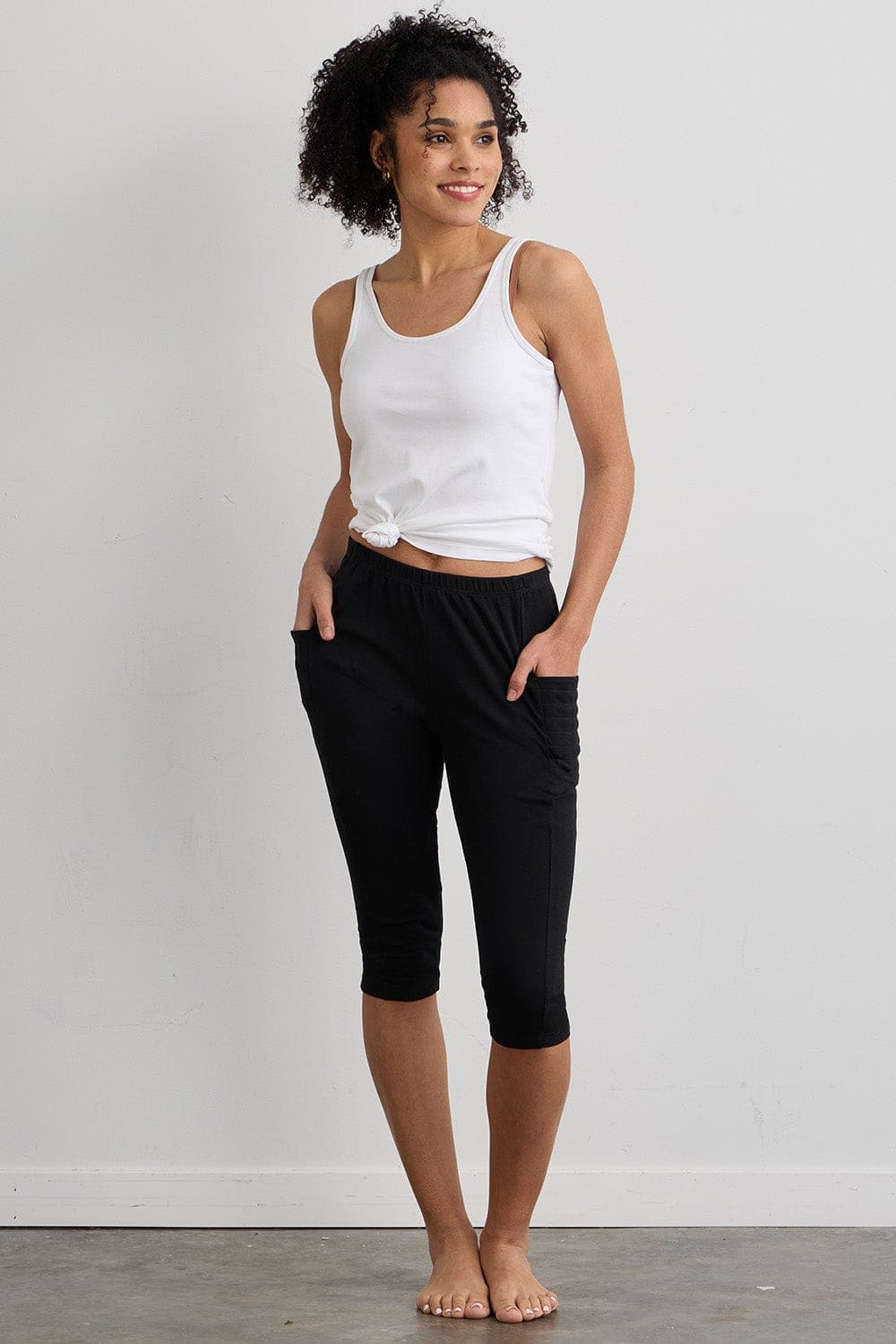
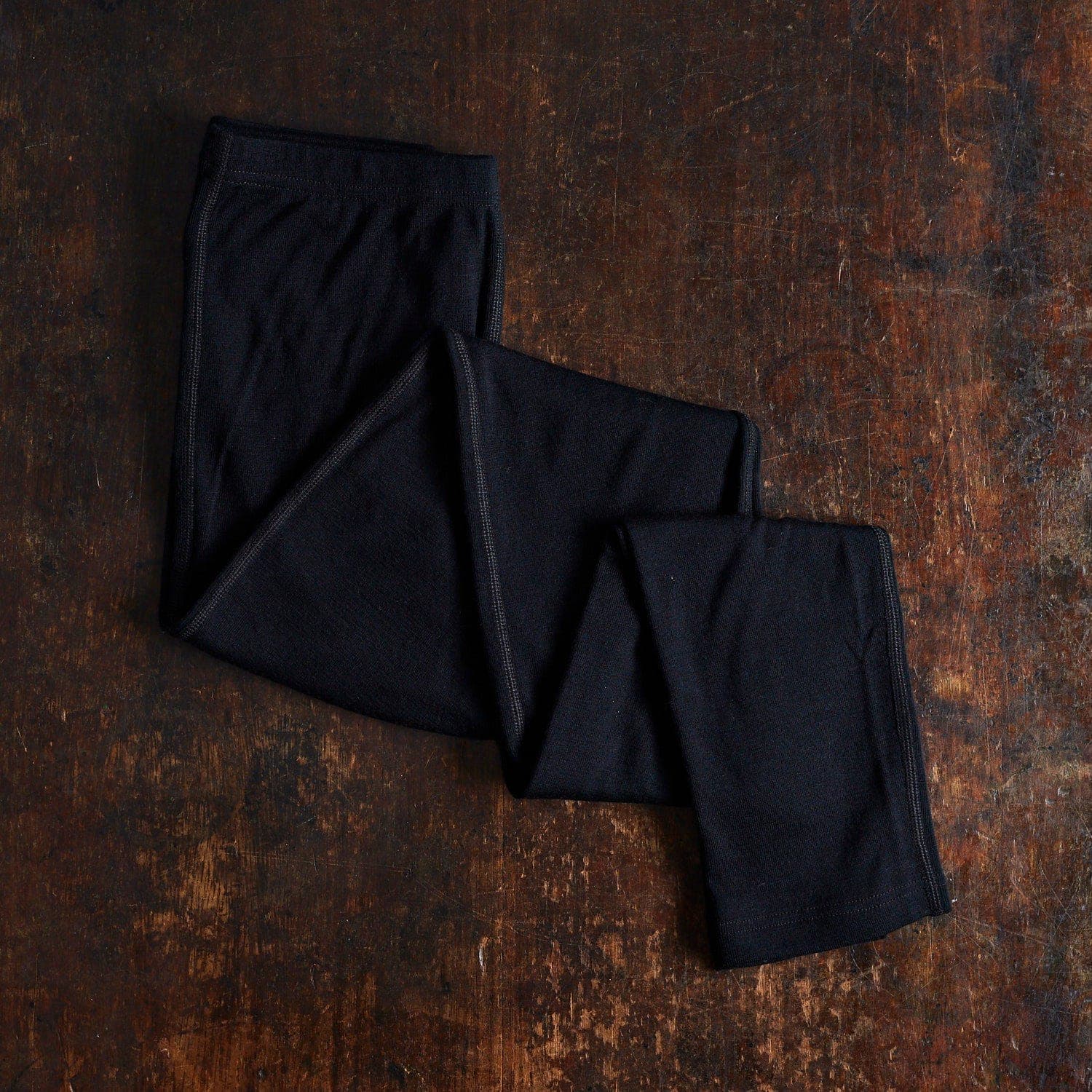
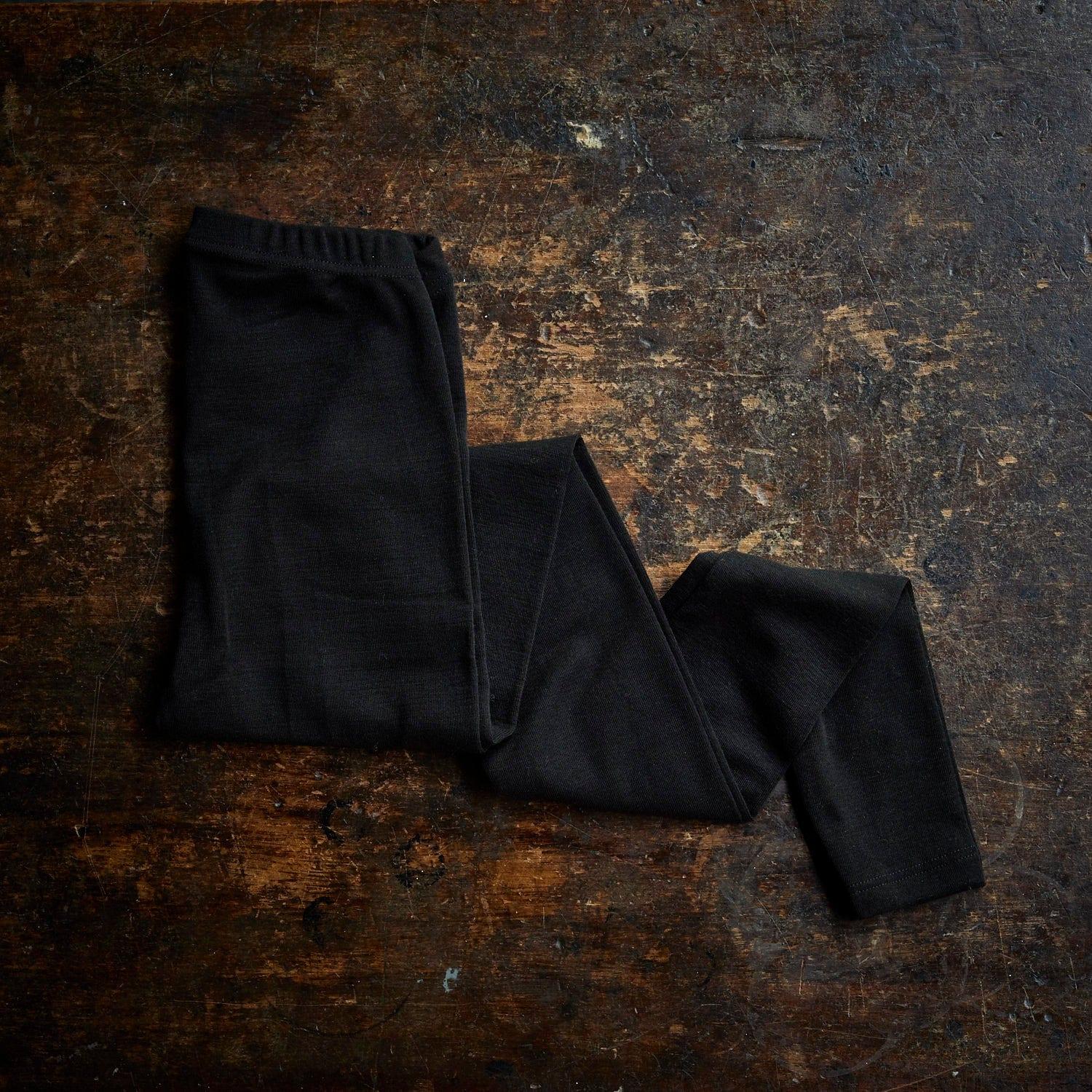
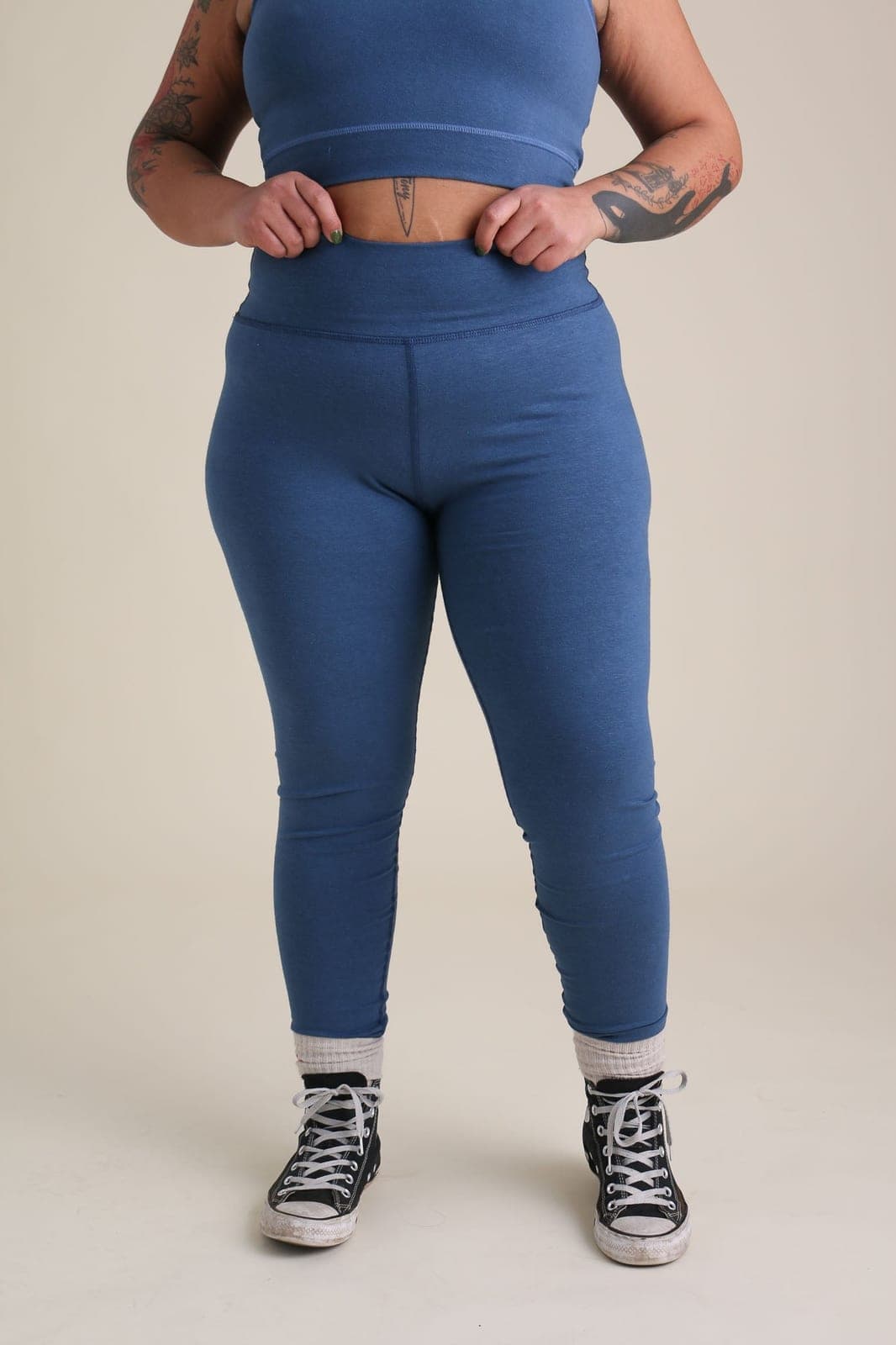
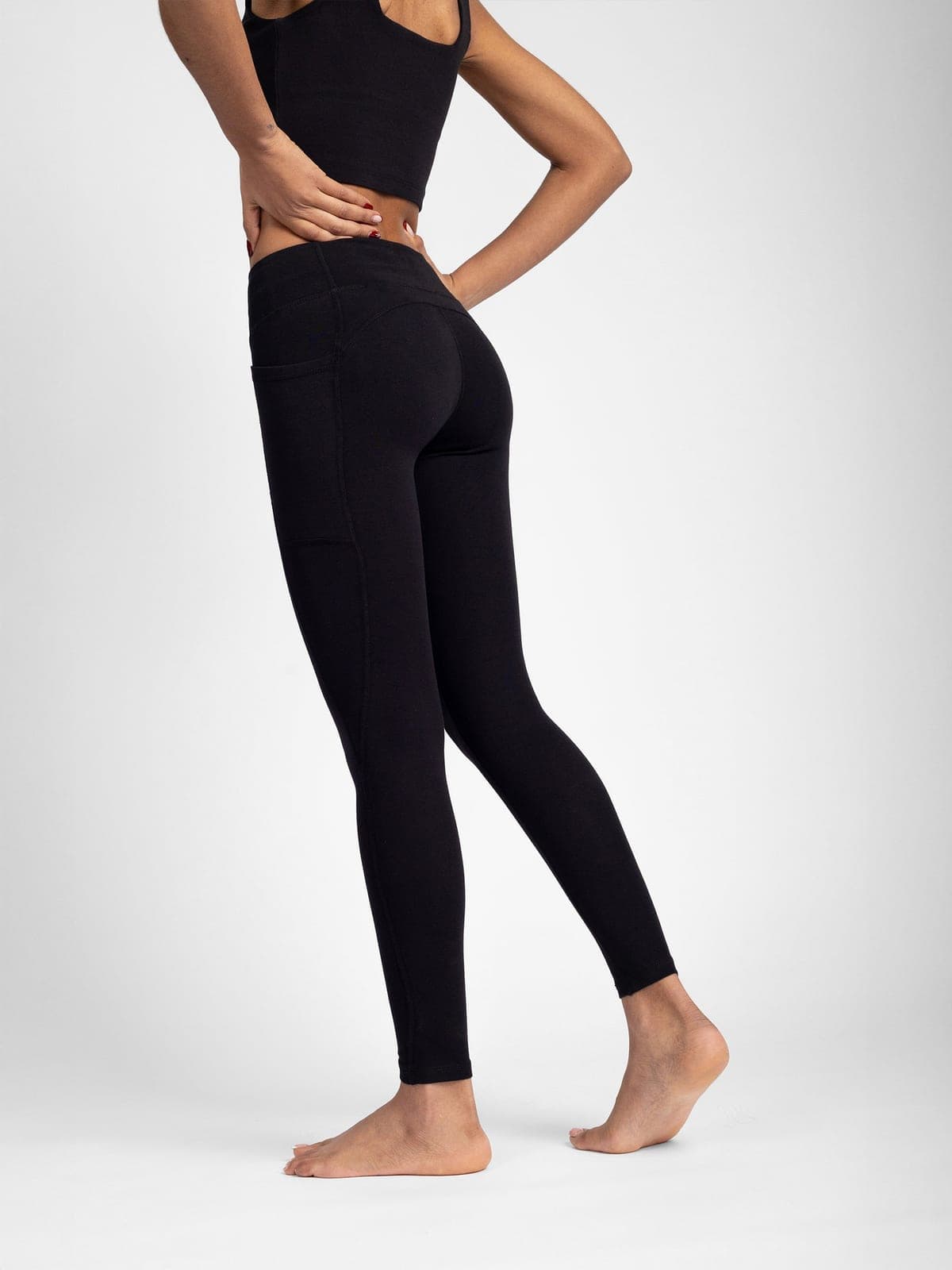
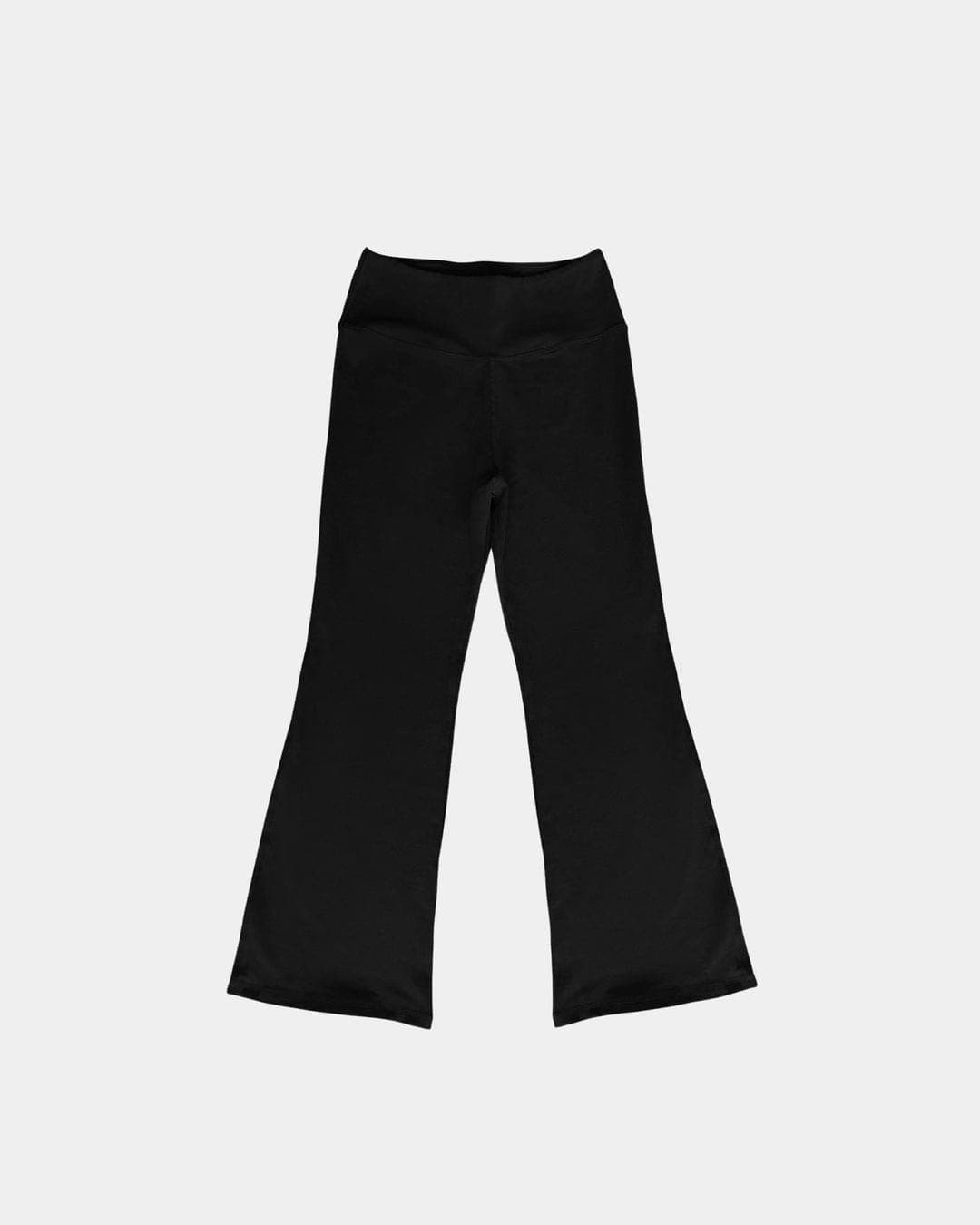
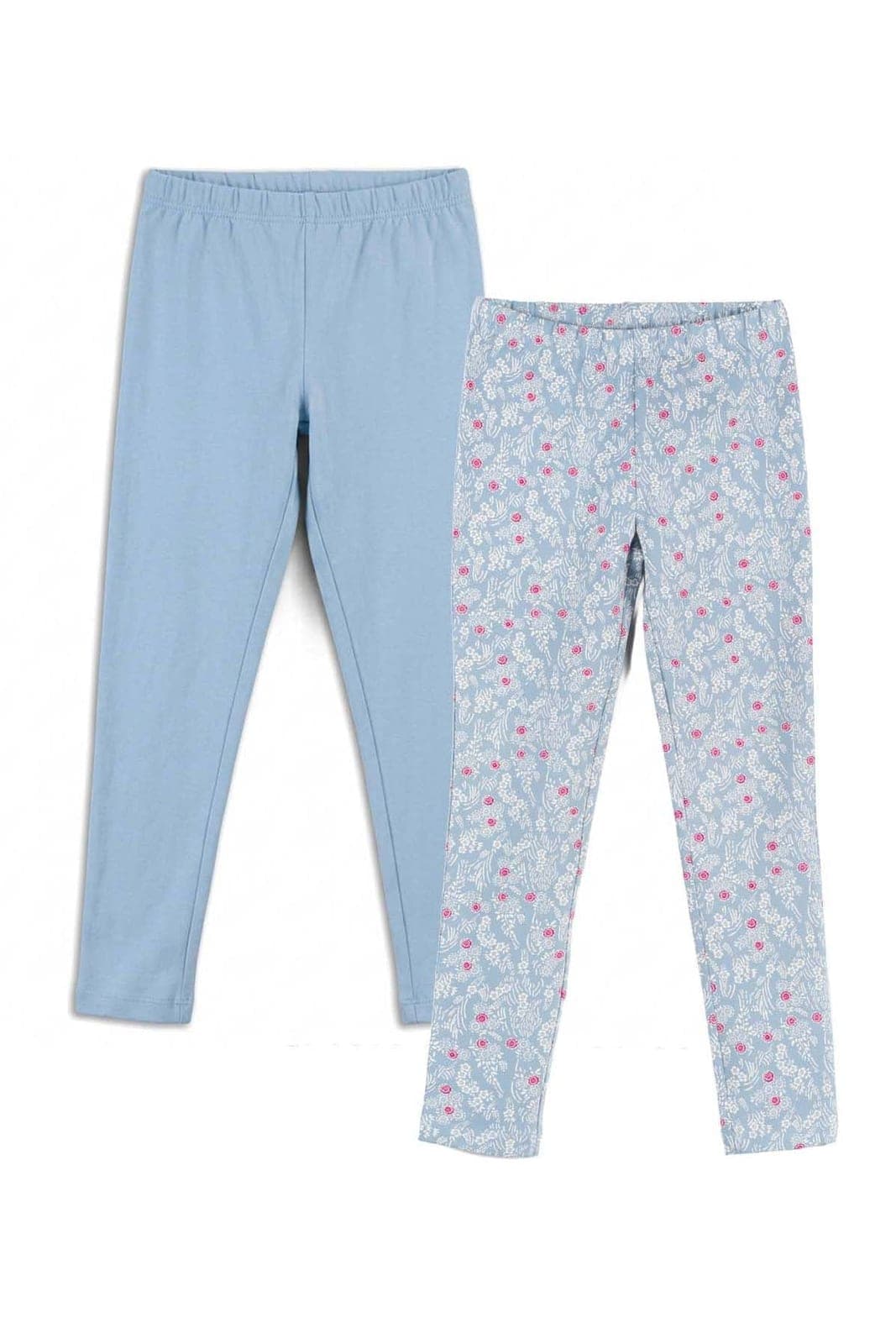
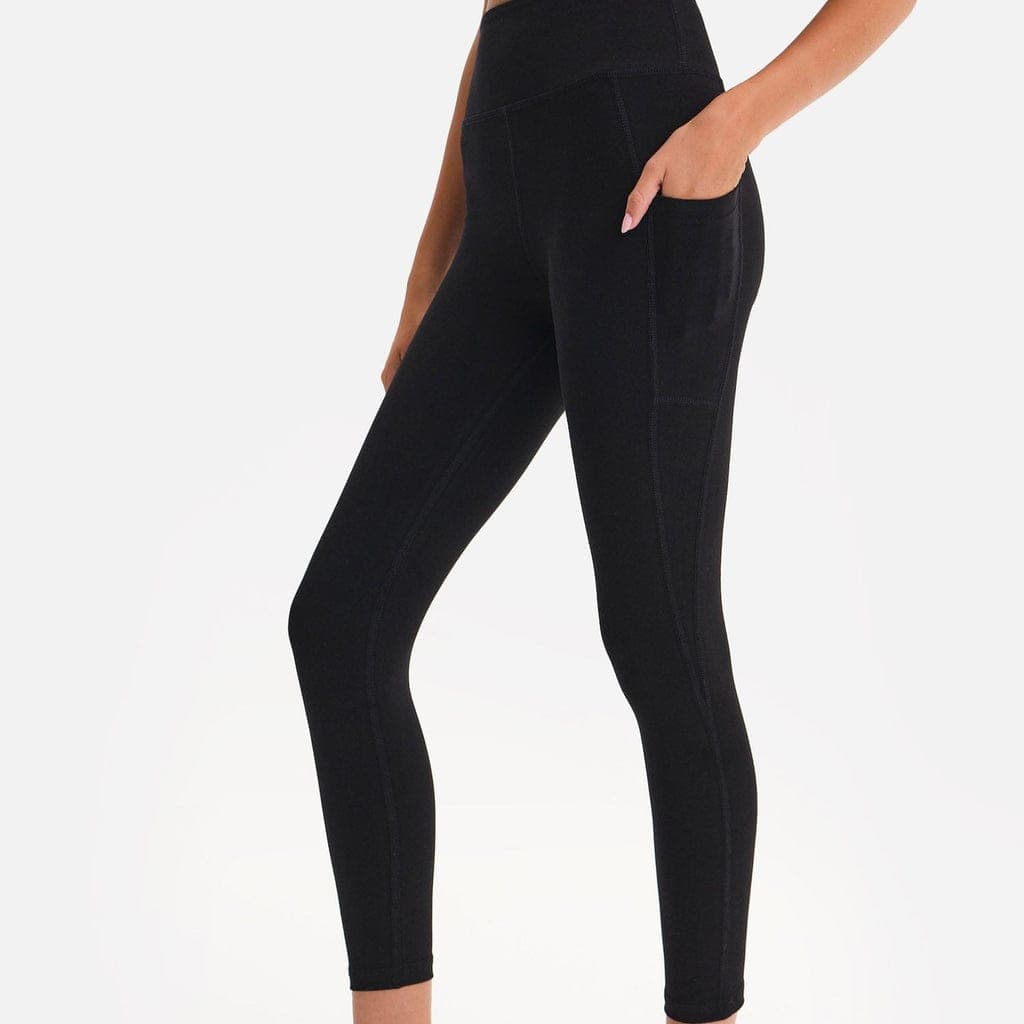
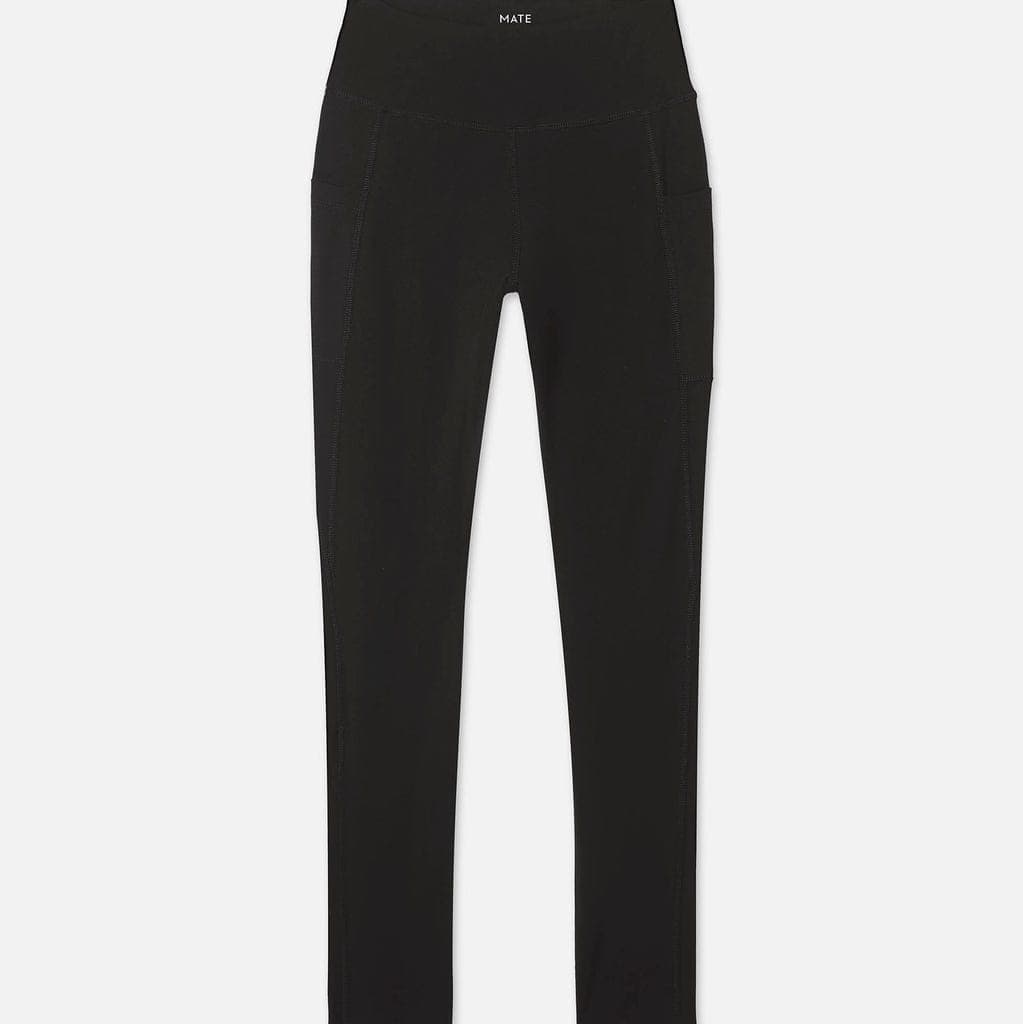
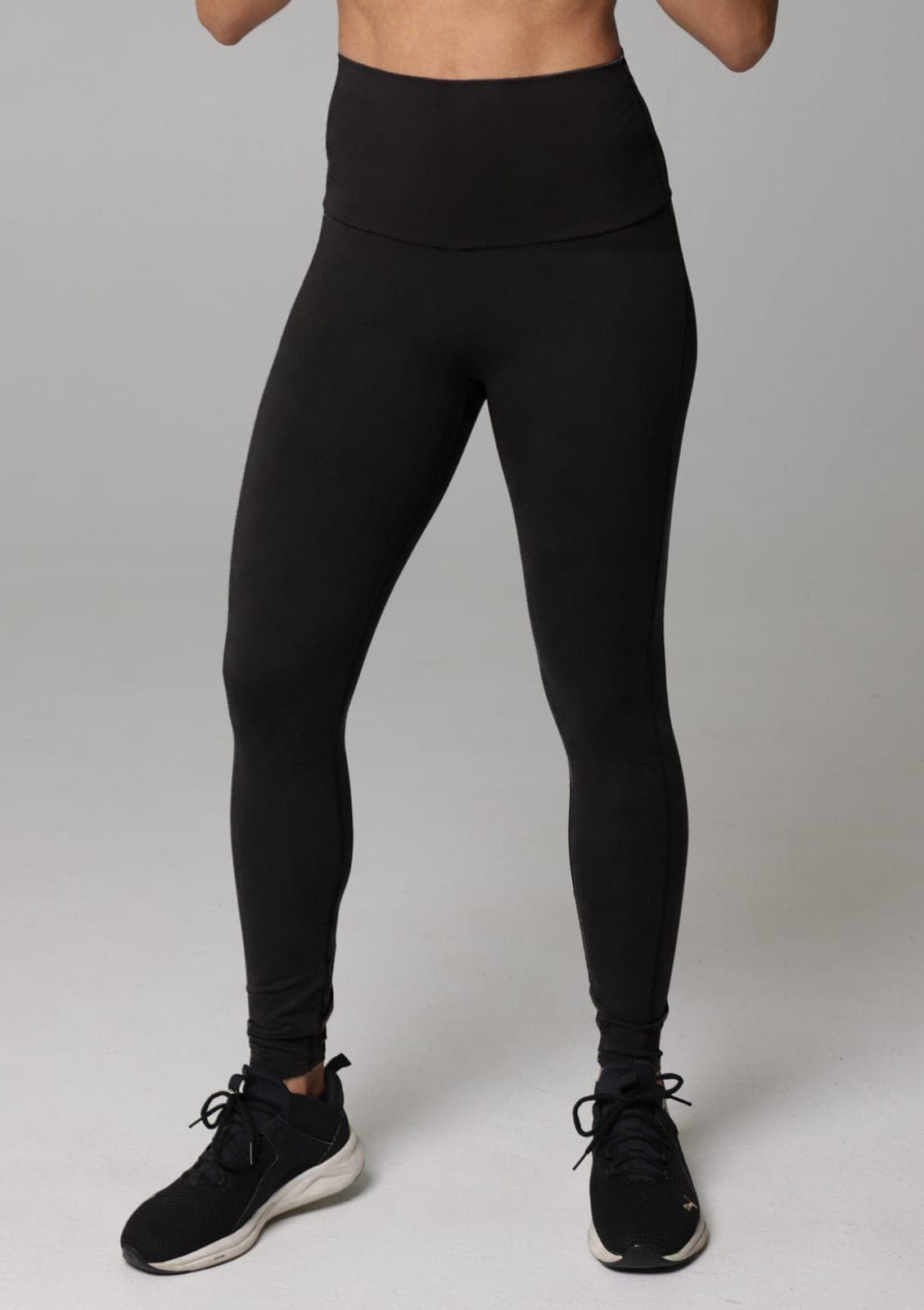
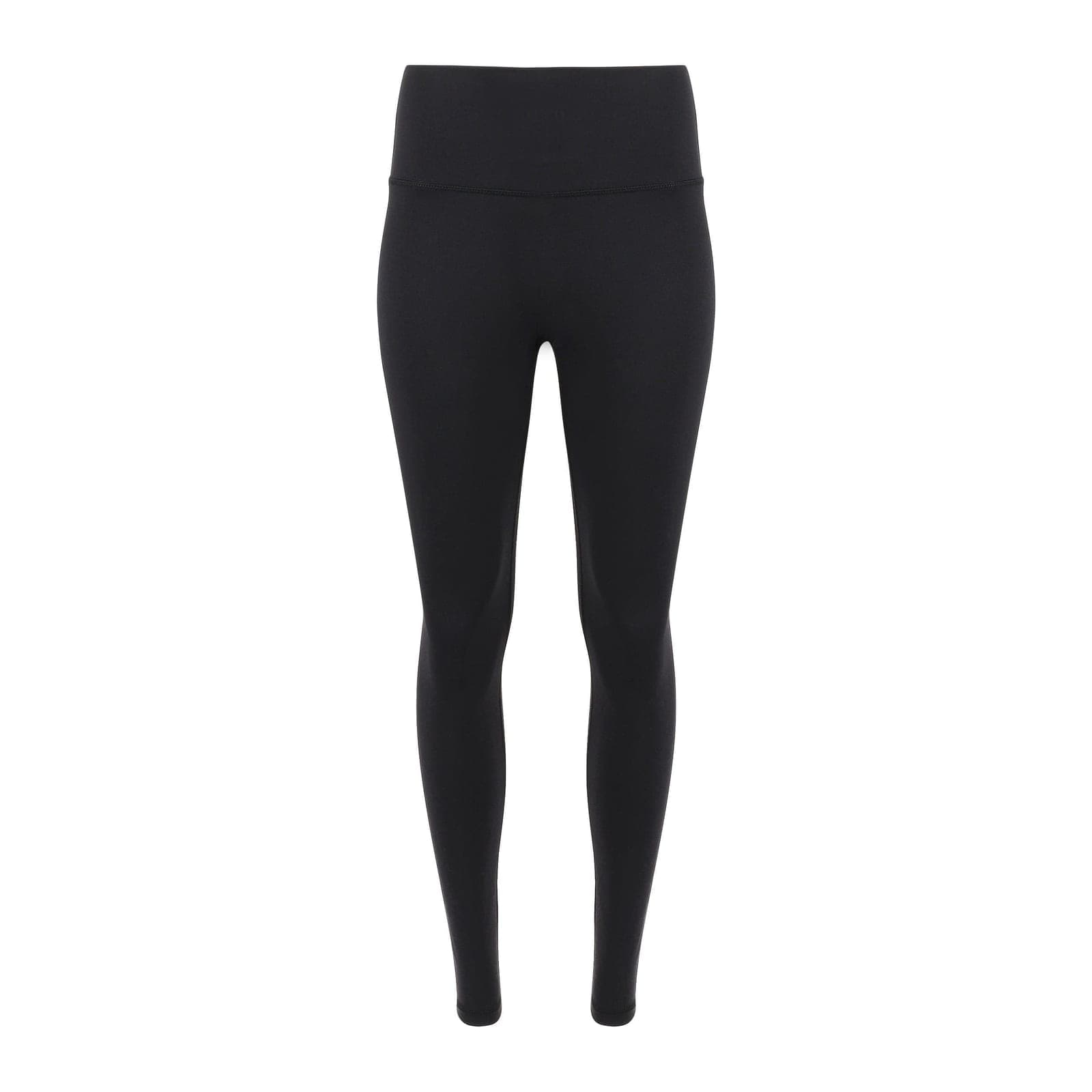
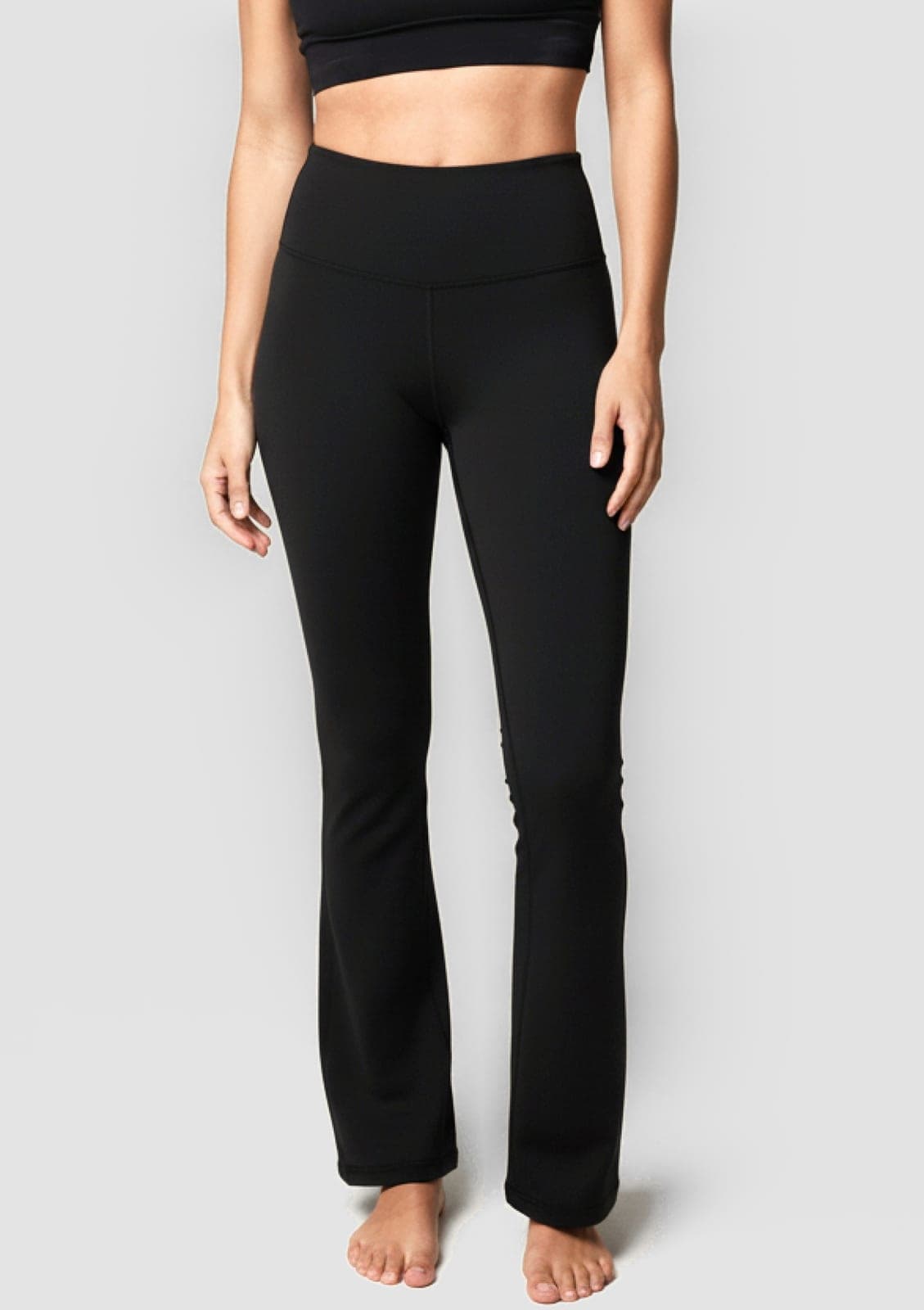
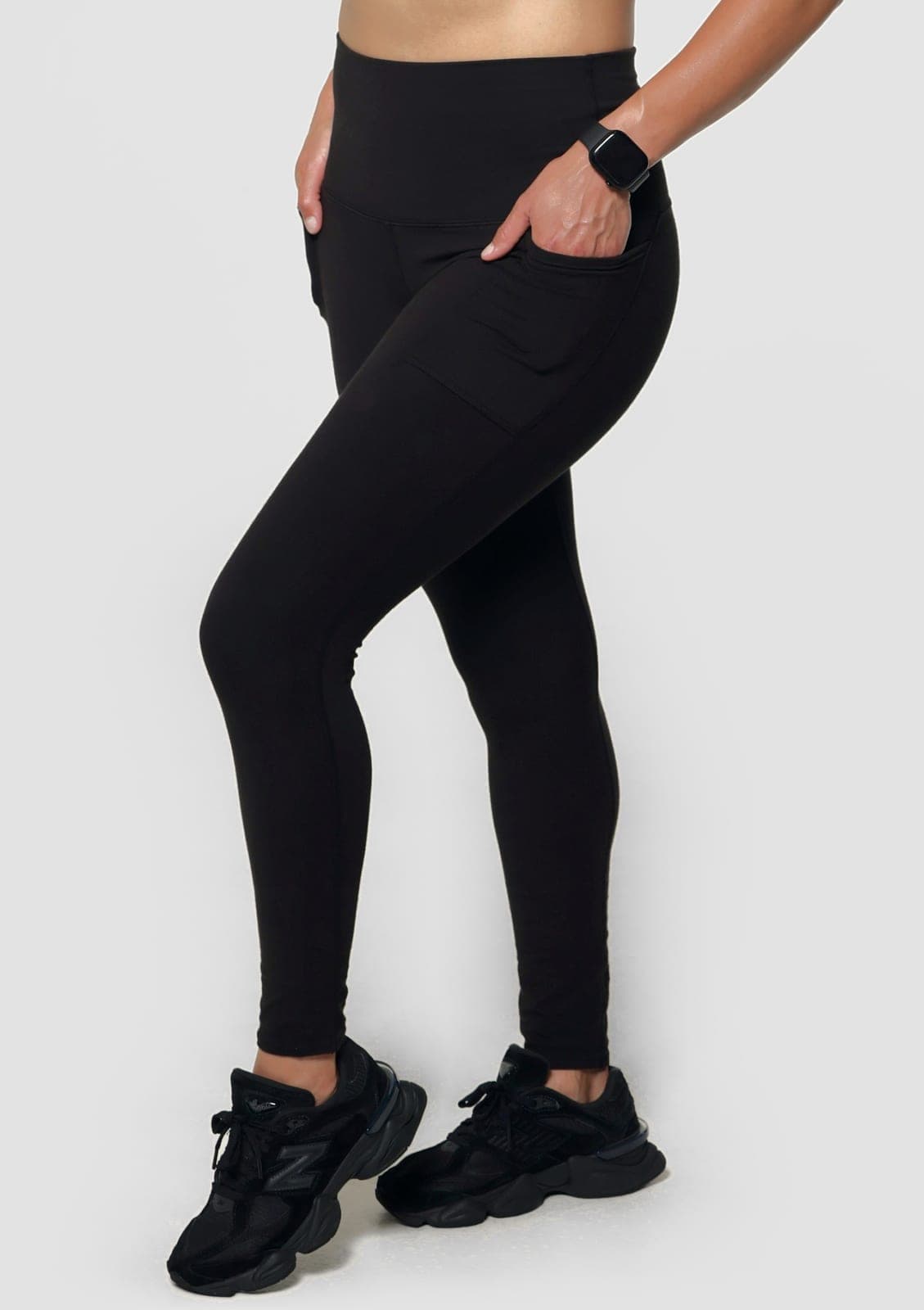
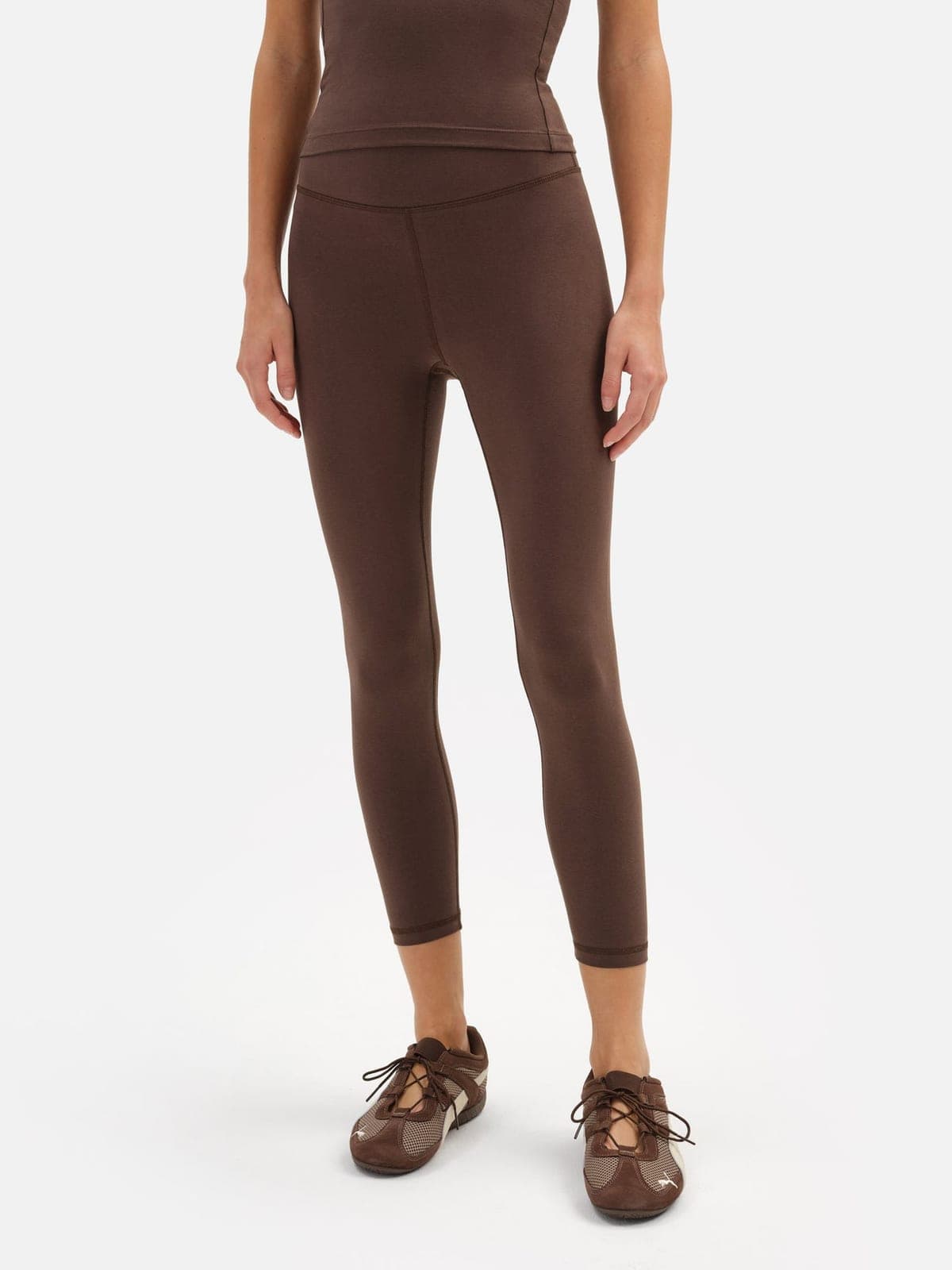
Highest-scoring leggings we have analyzed

90 visible scored products match this category.

View all top-scored products

What to check on a leggings label

  1. Read the full blend. Compression pairs are usually polyester or nylon plus elastane. Cotton or Tencel leggings exist, but they drape differently and often have less recovery.
  2. Treat “water-repellent,” “stain-resistant,” or “sweat-wicking finish” as a prompt to look for a product-specific chemistry statement. Independent testing has flagged PFAS in some performance bottoms; missing evidence means unknown, not absent.
  3. Recycled polyester is still polyester for shedding. It can be a better feedstock story without changing the microplastic score in a useful way.

Fibers that often score better when you can find them

These are less common in true compression tights. When a listing actually uses them as the majority fiber, the material score usually improves. Open a guide for the scoring inputs.

Fibers and finishes that usually drag the score

Leggings are the apparel category most often flagged for PFAS in third-party testing because durable water-repellent and stain-resistant finishes are common. Microfiber shedding from polyester and nylon blends is also a leading laundry microplastic source. Elastane is what makes most pairs stretch; a few percent is typical, and a majority-synthetic blend is a different garment.

Shopping for a specific brand?

See how popular leggings brands stack up and find higher-scoring picks.

Have a specific item in mind?

Paste the product URL into the analyzer or paste the fabric label into the homepage checker. Both work without an account.

Leggings questions

Are these leggings PFAS-free?

No. Ranking here is from disclosed fibers and available certifications. Water- and stain-repellent finishes are common on leggings and often go unnamed. We only treat a PFAS-free or fluorine-free statement as evidence when it is product-specific and says what it covers.

Can I find stretch leggings that are not mostly polyester?

Sometimes. Organic cotton, Tencel, and modal leggings exist, usually with a little elastane. They will not feel like a 90% nylon compression tight. If stretch and compression are the point of the purchase, compare the exact pair in the analyzer rather than assuming a fiber swap keeps the same garment.

Does recycled polyester make performance leggings a better pick?

It can change the feedstock story. It does not stop microfiber shedding, and it does not answer a PFAS finish question. Read the rest of the blend and any finish claim before treating recycled polyester as the deciding factor.

How do you score leggings?

Each product starts at 100 and is scored from its disclosed material composition and available certification information. Material-level penalties across six factors are combined in proportion to the stated fiber blend. The score compares available evidence. It is not a medical or product-safety certification. The methodology page has the details.