
Greener Closet

Socks

Scored socks, ranked by disclosed materials

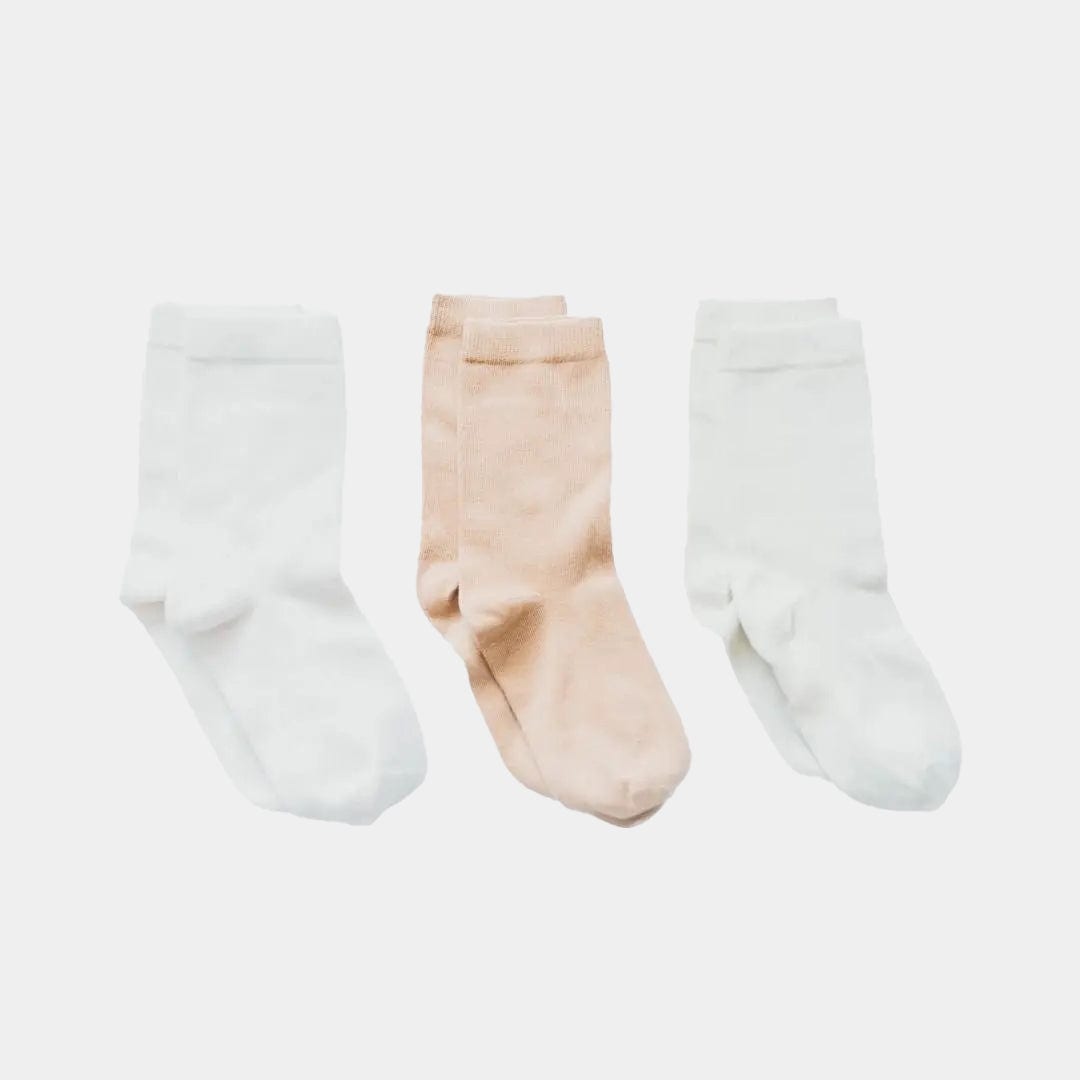
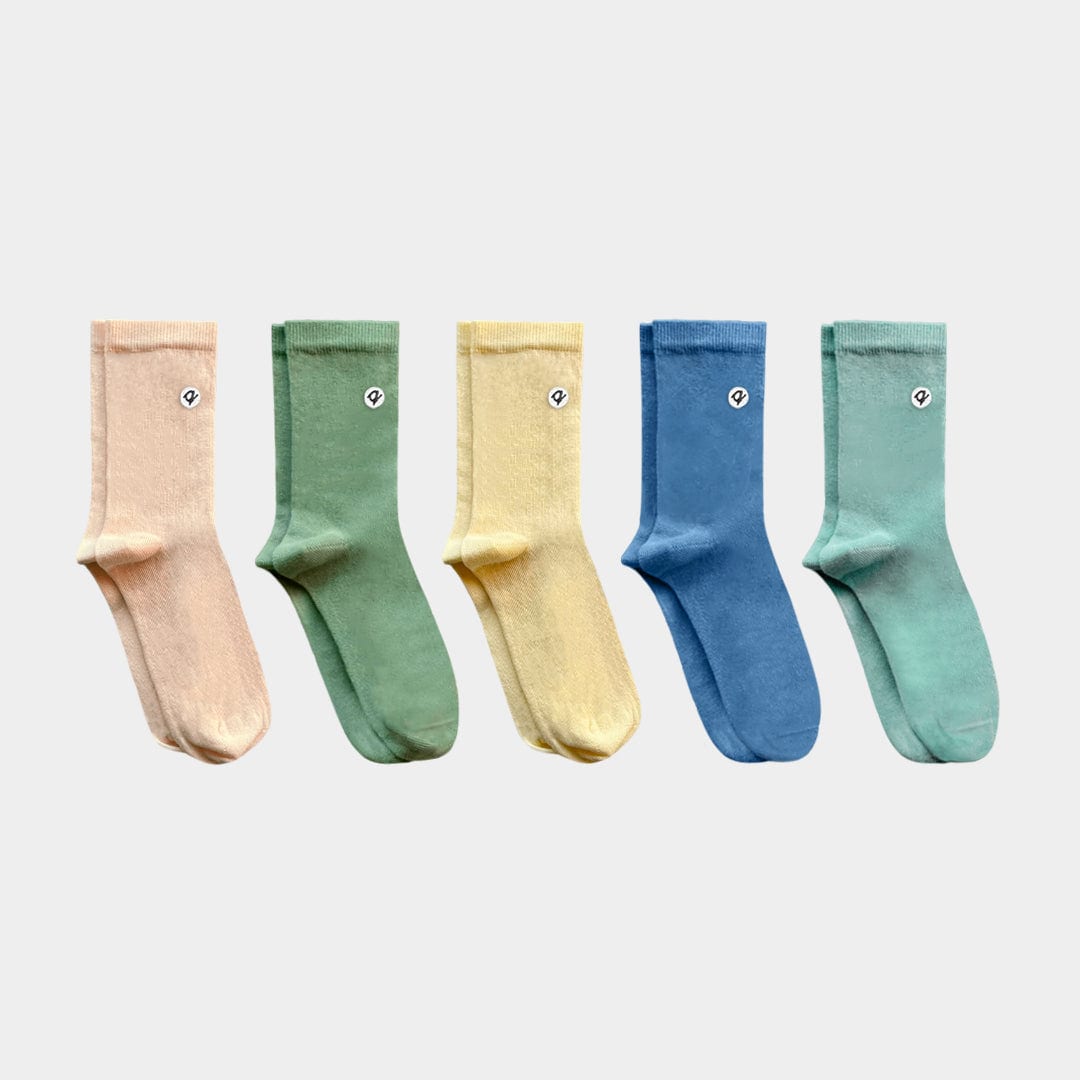
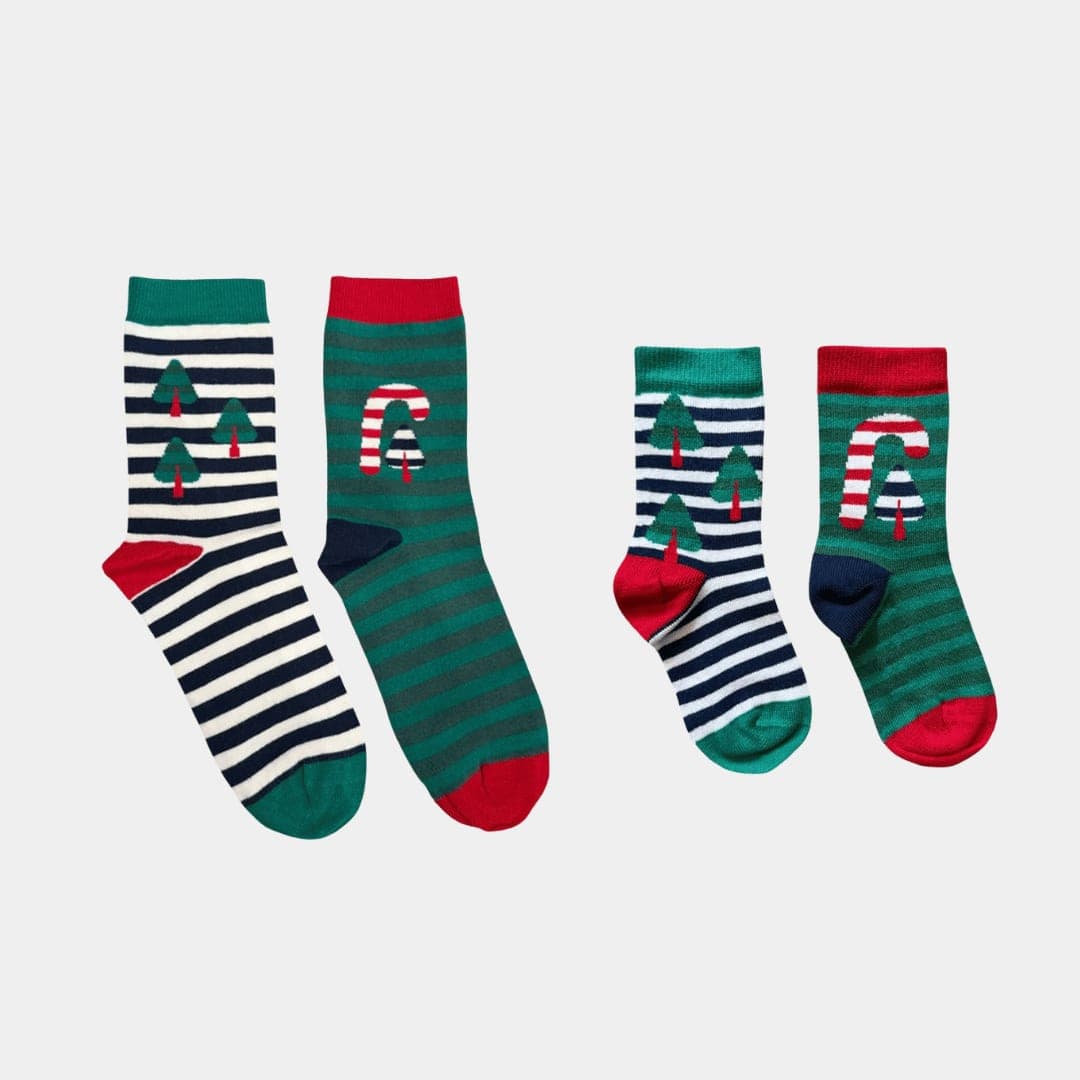
Sock labels hide a lot of polyester behind words like cushion and moisture-wick. This page ranks the socks we have scored so you can see the actual blend. Kids and adult socks can share the list; the department chip on each card is the tell.

Antimicrobial or odor-control marketing does not name a chemistry by itself. Without a product-specific statement, finish status is unknown.

Highest-scoring socks we have analyzed

141 visible scored products match this category.

See all socks, highest score first

What to check on a sock label

  1. Wool, merino, and organic cotton usually score better than polyester or nylon crew socks. A “wool sock” that is 40% wool and 60% nylon will score like a blend.
  2. Reinforced heels and toes are often nylon even when the body is wool. That is normal; just do not treat the marketing name as the whole garment.
  3. Do not assume PFAS-free status from a moisture-wicking claim. Look for product-specific evidence if that is the question you came in with.

Shopping for a specific brand?

See how popular socks brands stack up and find higher-scoring picks.

Have a specific item in mind?

Paste the product URL into the analyzer or paste the fabric label into the homepage checker. Both work without an account.

Socks questions

Are wool socks better than cotton socks on this ranking?

Often both rank well when they are the majority fiber. Wool and merino are animal fibers; cotton is a plant fiber. Polyester and nylon are what usually pull a sock down. Compare the percentage label on the exact pair.

Do antimicrobial socks mean they are PFAS-free?

No. Antimicrobial and moisture-wicking language does not identify the finish. Without a product-specific PFAS-free or fluorine-free statement, treatment status is unknown.

How do you score socks?

Each product starts at 100 and is scored from its disclosed material composition and available certification information. Material-level penalties across six factors are combined in proportion to the stated fiber blend. The score compares available evidence. It is not a medical or product-safety certification. The methodology page has the details.