
Analyzed Product Profile
Nike
This Analyzed Product Profile is based on 9 distinct analyzed products, a small catalogue sample. Median, range, and material mix describe those products only — not Nike as a whole.
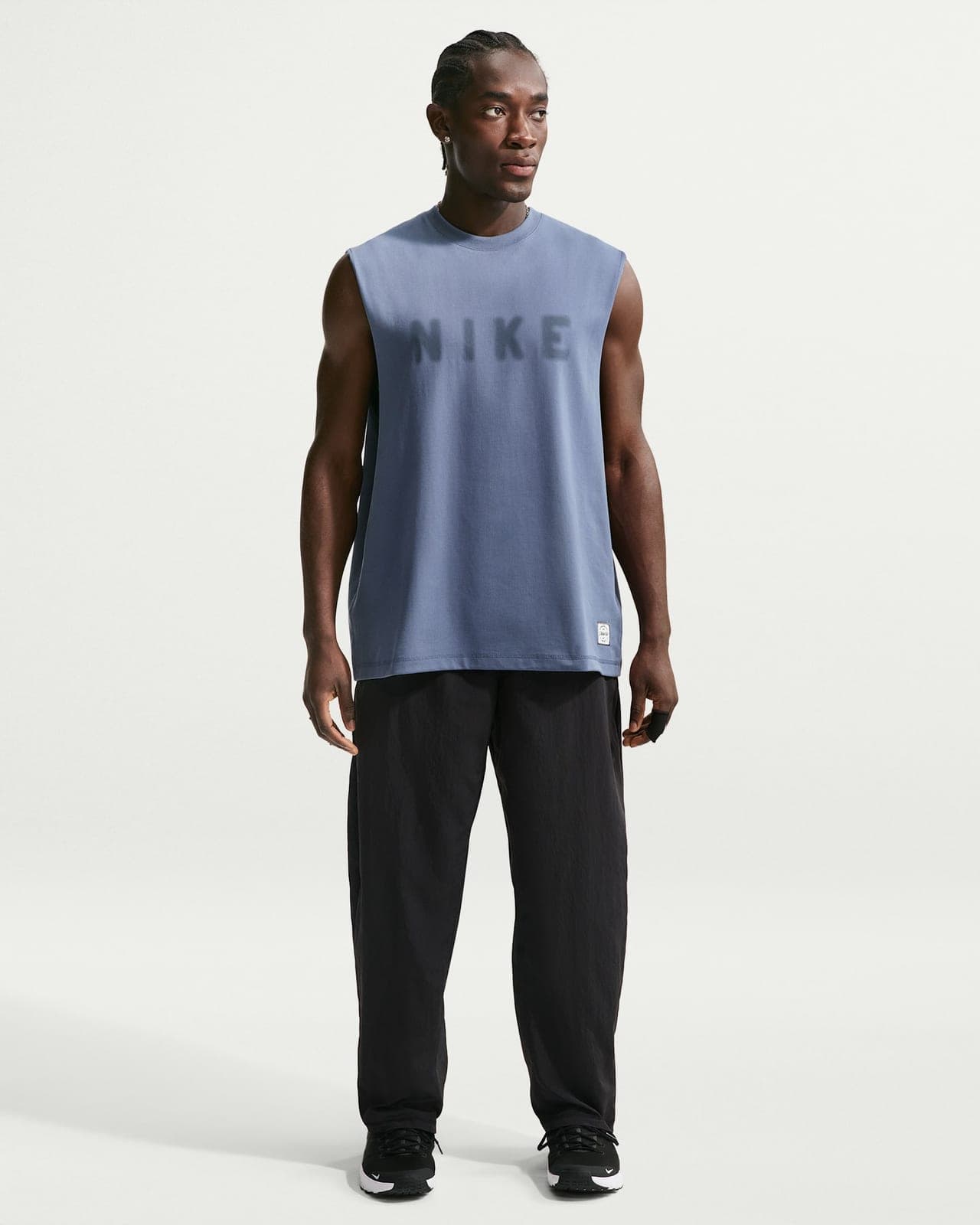
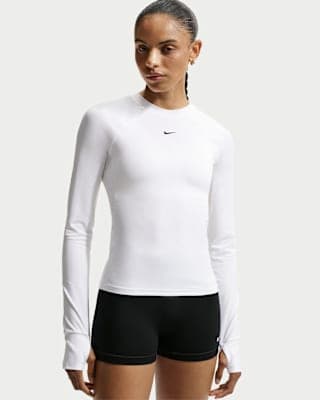
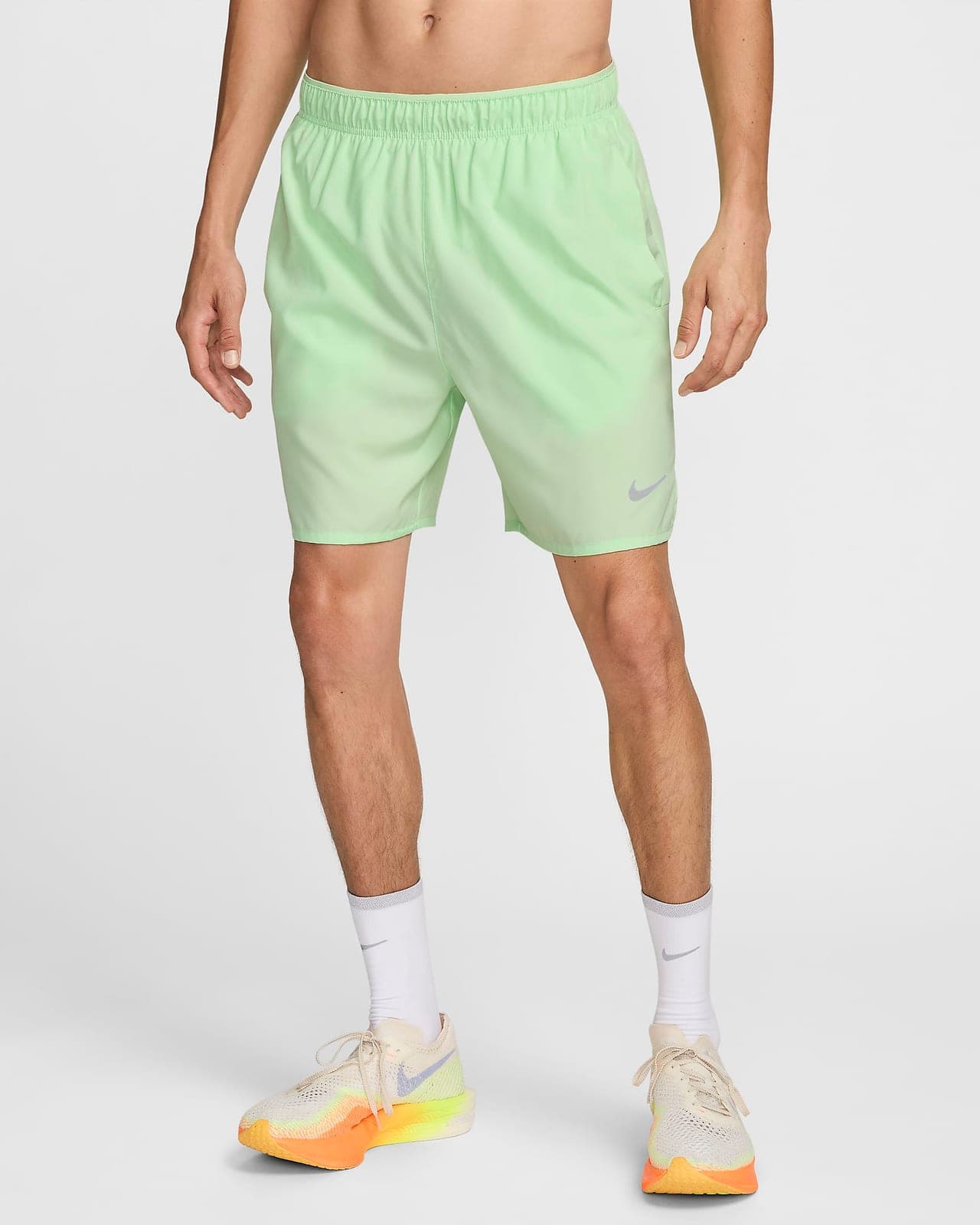
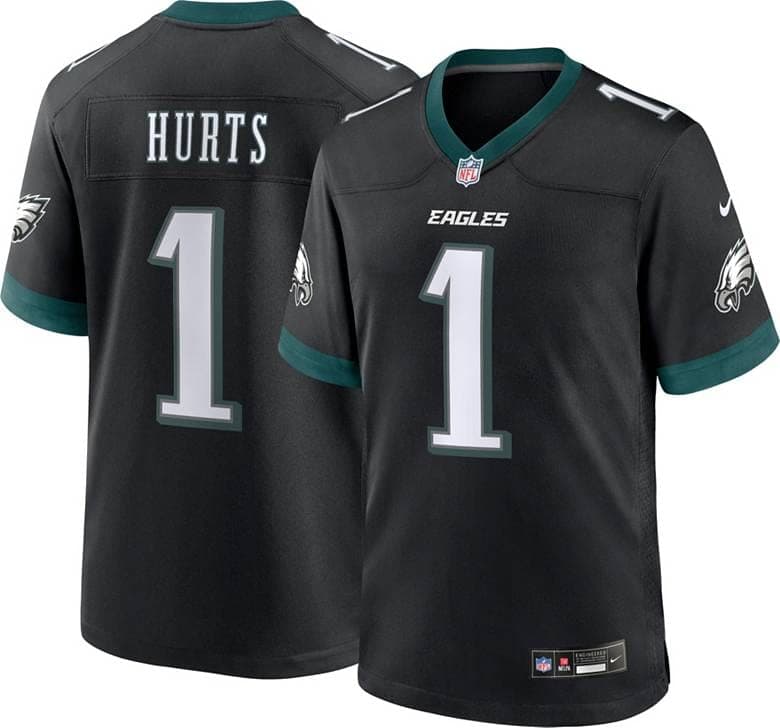
Highest-scoring analyzed products
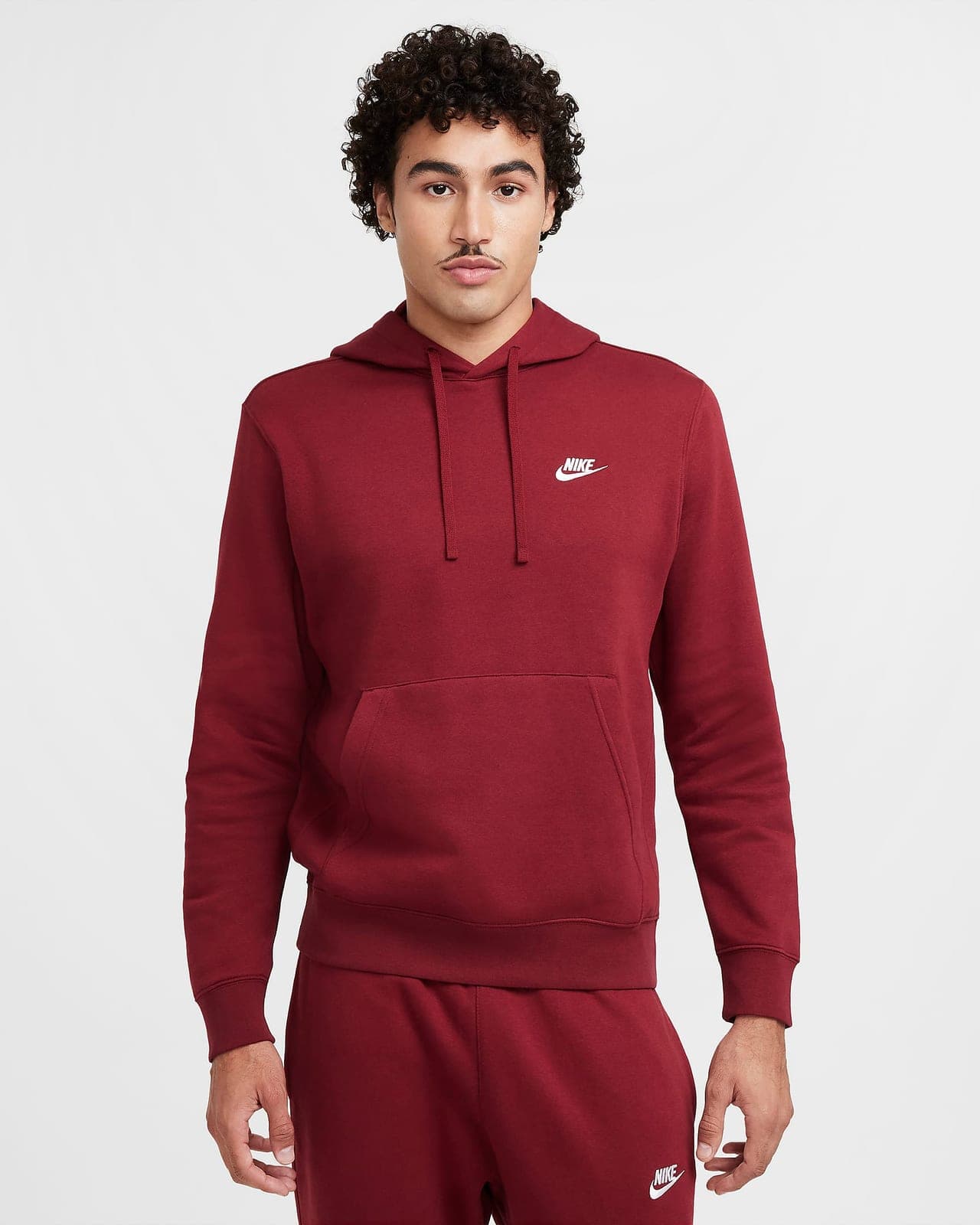
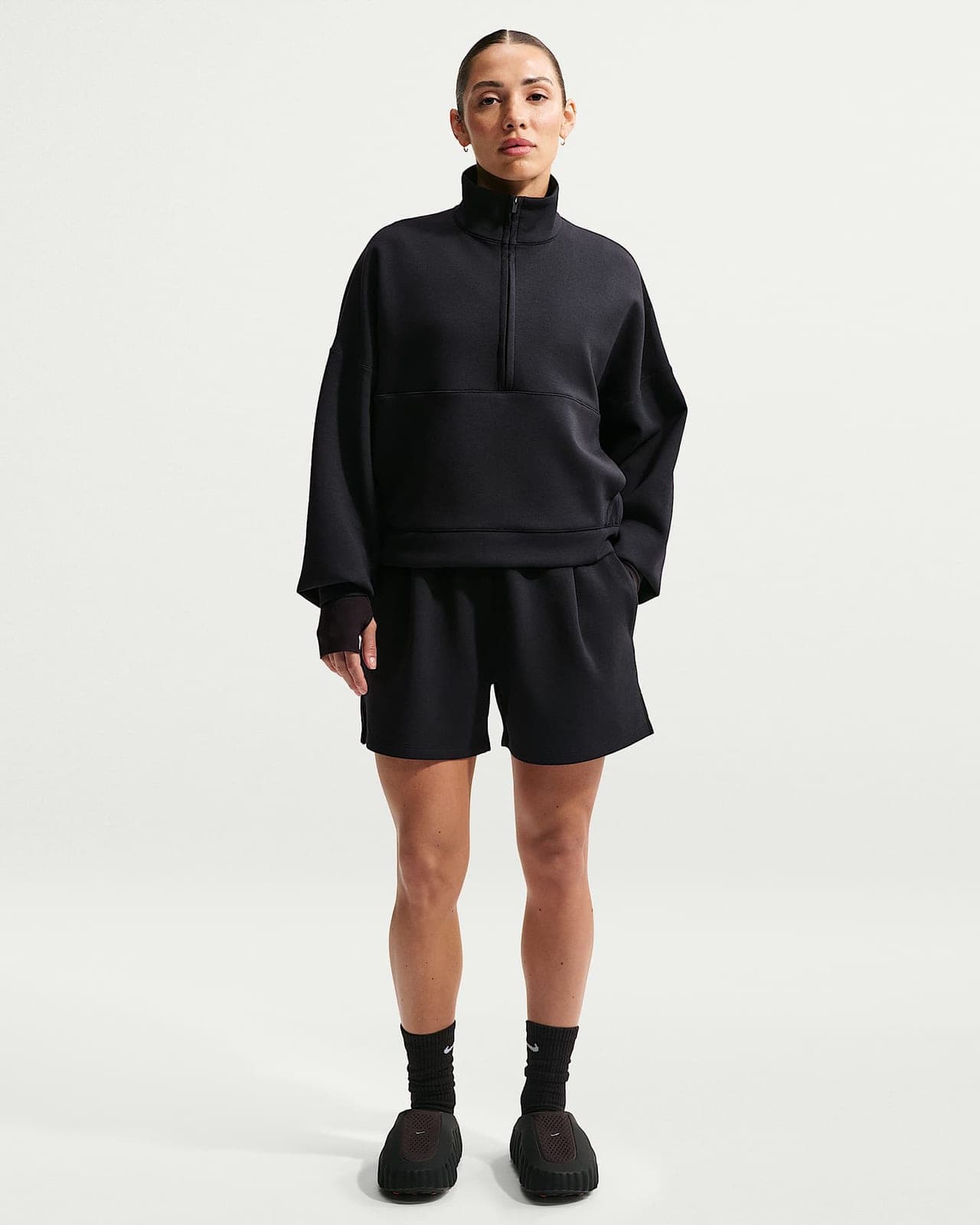
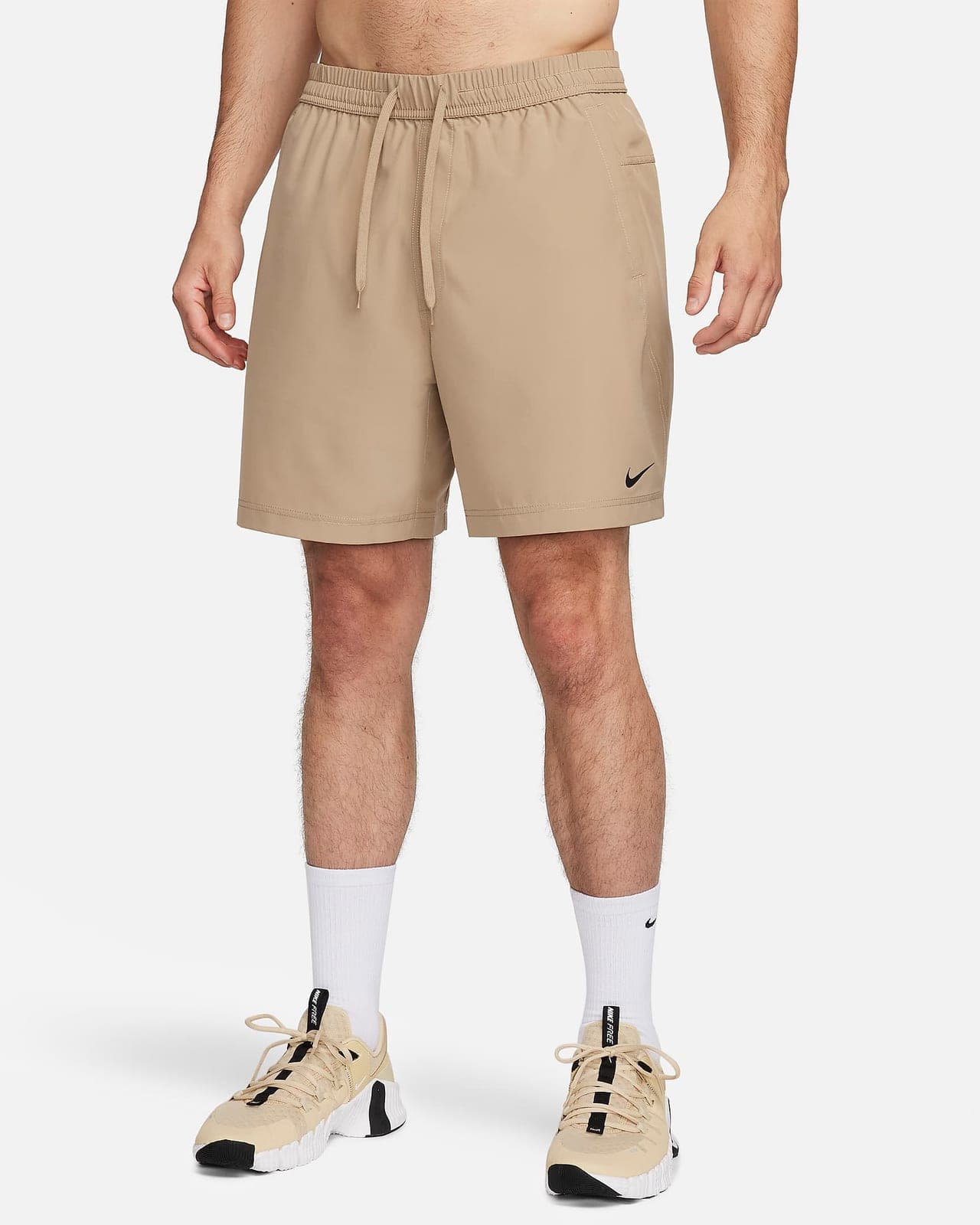
Sample and scores
Most common materials
Counted by distinct product, not fiber percentage. One product can appear in several rows.
| Material | Products |
|---|---|
| Polyester | 7 |
| Spandex | 3 |
| Cotton | 2 |
| Elastane | 1 |
| Modal | 1 |
| Nylon | 1 |
Category mix
| Category | Products |
|---|---|
| Activewear | 5 |
| Shorts | 5 |
| Jerseys | 1 |
| Pants | 1 |
| Sweatshirts | 1 |
How these scores are produced
Product scores on this page are produced automatically. We read the composition and certification details a retailer discloses on the product page, match each material to our research database, and apply the published clothing-score process: every product starts at 100; five material factors — microplastics, PFAS, material half-life, production energy, and fiber shedding — apply penalties weighted by how much of the garment that material makes up; a sixth factor, azo dyes, applies to the garment as a whole; and a small adjustment reflects whether any certification was disclosed. GOTS, bluesign, OEKO-TEX Standard 100, and Cradle to Cradle can also mark a product azo-dye-free. We do not lab-test garments. The Analyzed Product Profile then summarizes those product scores. It is not a corporate sustainability score, and it is not the retired LLM brand assessment.
Are you this brand?
If a figure on this page is wrong, send a correction. We aim to respond within 24 hours. A review can temporarily hide a disputed claim; it is not an automatic permanent removal.
Sourced corporate evidence
These are sourced claims, not a corporate score. Missing topics are not assessed, not scored as zero.
NIKE, Inc. designs, markets, and distributes athletic footwear, apparel, equipment, and accessories for sports and fitness activities.
company_disclosure
By the end of FY25, 66% of polyester used in NIKE products was recycled.
company_disclosure
Aero-FIT is a Nike performance apparel material engineered from 100% recycled textile waste.
company_disclosure
Published 2025-10-23
Nike states that its Nike Grind program has recycled more than 155 million pounds of manufacturing scrap and end-of-life footwear since its launch in 1992.
company_disclosure
Nike states that its Scope 3 emissions declined by 29% from 2020 through FY24, and that more than 60% of Nike production volume in FY24 was sourced from suppliers with science-aligned Scope 1 and 2 targets.
company_disclosure
Nike requires facilities that make and move its products to meet compliance requirements set out in its Facility Code of Conduct and Code Leadership Standards, and states that facilities are assessed through verified industry assessments or announced and unannounced audits.
company_disclosure
Nike's Manufacturing Restricted Substances List bans the intentional use of priority chemicals during the manufacturing of textiles, synthetic leather, and natural leather, and sets impurity limits for chemical formulations supplied to material vendors.
company_disclosure
Nike states that it has studied the shedding rate of more than 50 Nike materials over multiple washes as part of its work on microfiber and microplastic impacts.
company_disclosure
- Not assessed — Animal welfare
- Not assessed — Water